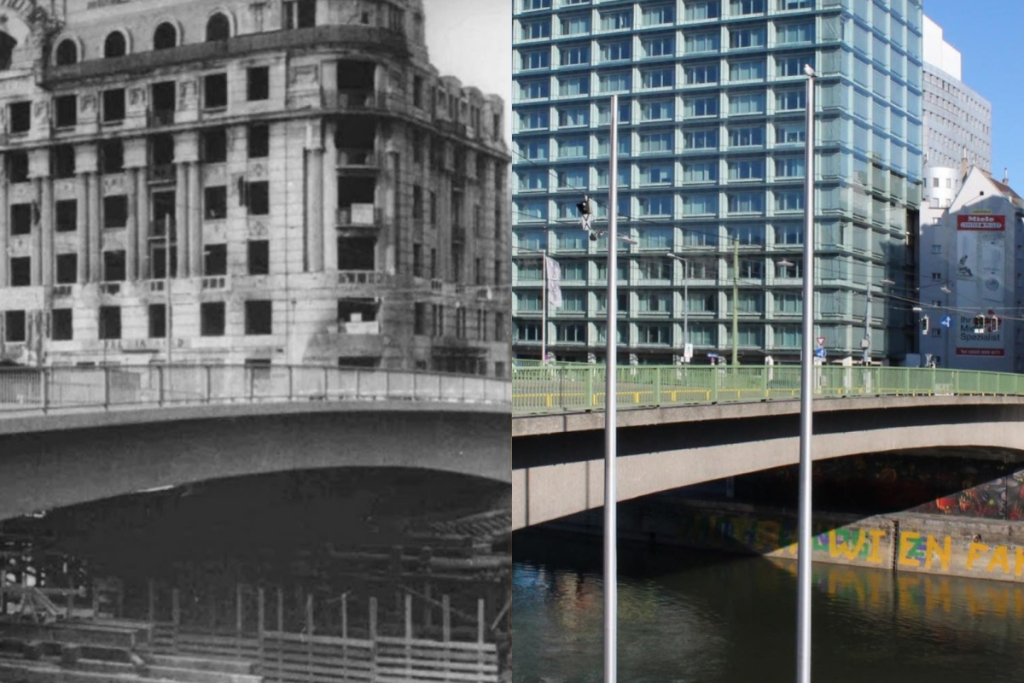

It was once the ultimate bathing paradise for generations of Viennese; today, an oppressive silence reigns at Lilienbrunngasse 7–9. Anyone walking past the dreary glass facades in Leopoldstadt today would find it hard to imagine that this is where the world’s most famous waltz once celebrated its acclaimed premiere. Yet the Dianabad looks back not only on a truly impressive history dating back to 1810, but unfortunately also on a highly turbulent and uncertain present.
After an extremely brief period of temporary use, the striking building is once again completely abandoned. It seems as though the city has now finally forgotten one of its most historic recreational venues.
From a wave pool to a dry rowing studio
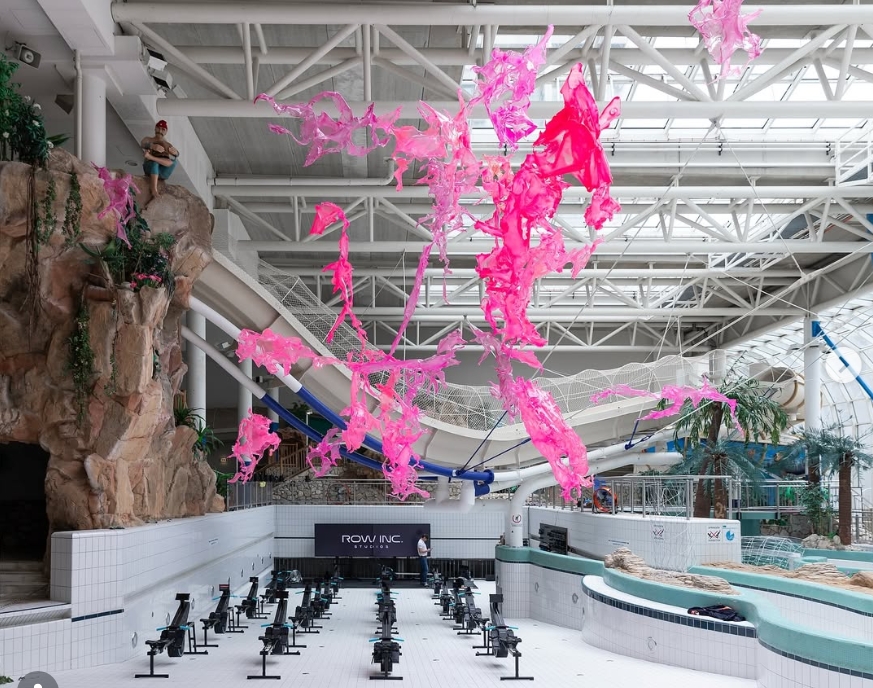
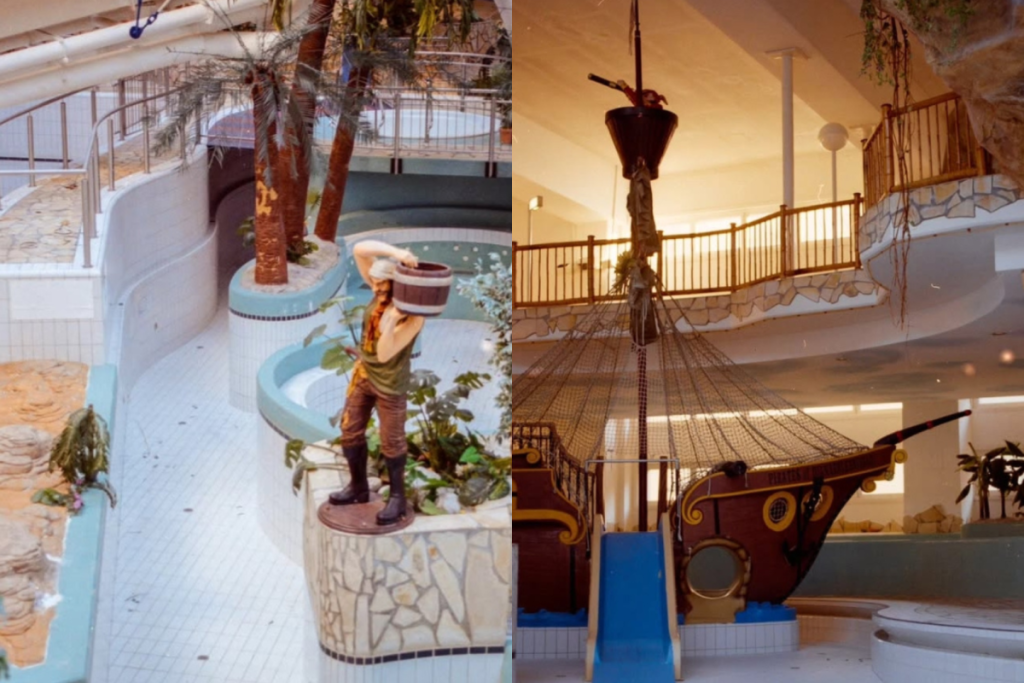
As is well known, the recent history of the fourth Dianabad came to an end in 2020, when the modern and widely popular water park, with its distinctive pirate ship, closed its doors for good. Afterward, an attempt was made at a rather curious reinvention that initially took many local residents by surprise. The former wave pool was, in fact, quickly converted into an indoor rowing center—albeit one completely without any actual water.
But even this modern sports concept was apparently short-lived. The local rowing club has since completely vacated the huge and architecturally sophisticated complex. Thus, the massive building seamlessly joins the ranks of Vienna’s prominent vacant properties and inevitably raises the question of what will become of this valuable land in the Second District.
The Birthplace of the Danube Waltz
The tragedy of this current vacancy only truly becomes apparent when one delves deeply into the history of this special place. The origins of the site date back to 1810, when the very first bathhouse opened here amid great public interest. Even more impressive: it was right here, at this now-quiet site, that Johann Strauss’s world-famous “Danube Waltz” was performed for the very first time in 1867.
Back then, the Dianabad served as a glamorous ballroom for high society during the cold season, while people swam to their hearts’ content during the warmer months. Of course, absolutely nothing remains today of that imperial splendor or the laughter of thousands of bathers, yet the wistfulness of many Viennese remains palpable. Whether sporting or cultural life will ever return to these historic halls is currently anyone’s guess.