
The Hofer supermarket chain plans to expand its checkout system: By the end of 2027, additional self-checkout lanes are to be installed in more than 170 stores. The company expects this to result in shorter wait times and greater flexibility for customers who buy only a few items and want to get out of the store quickly. This expansion thus affects a significant portion of the store network and demonstrates just how much the shopping experience in the grocery sector is changing.
Focus on Convenience and Efficiency
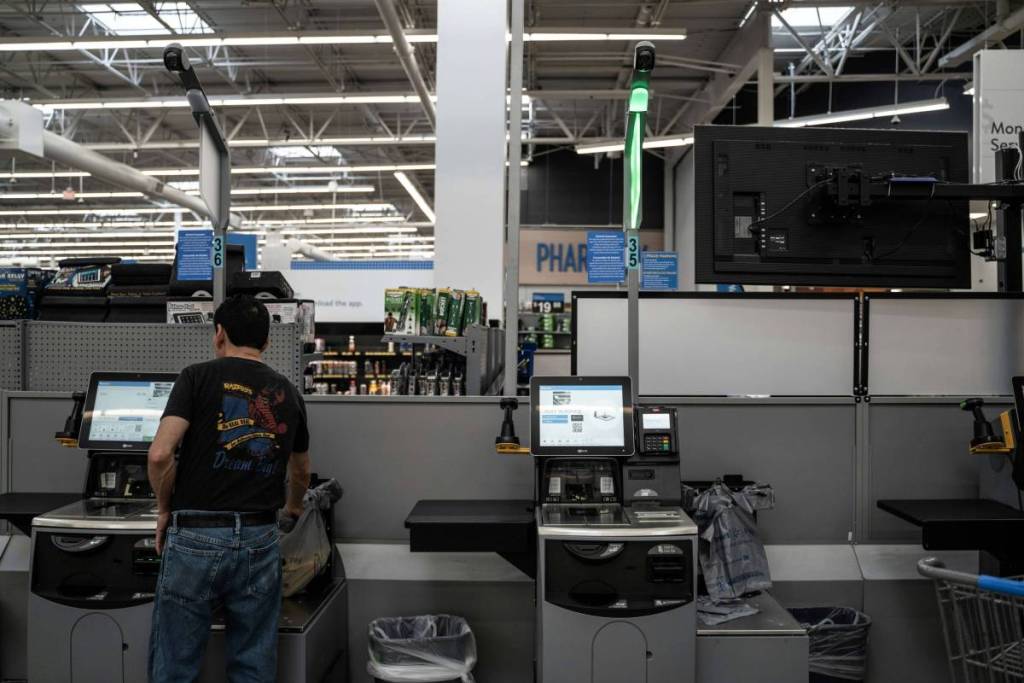
Self-checkout lanes are seen in the retail industry as the answer to two challenges: staff shortages and customers’ expectation to shop without long lines. Customers with only a few items in their cart scan and pay on their own, while staff at the traditional checkout lanes handle larger purchases. For Hofer, this offering is therefore likely to be a supplement to—rather than a replacement for—the existing checkout lanes. In addition, it can reduce the workload on employees and allow them to be deployed more flexibly in the store, such as when restocking shelves.
A Countertrend in the U.S.
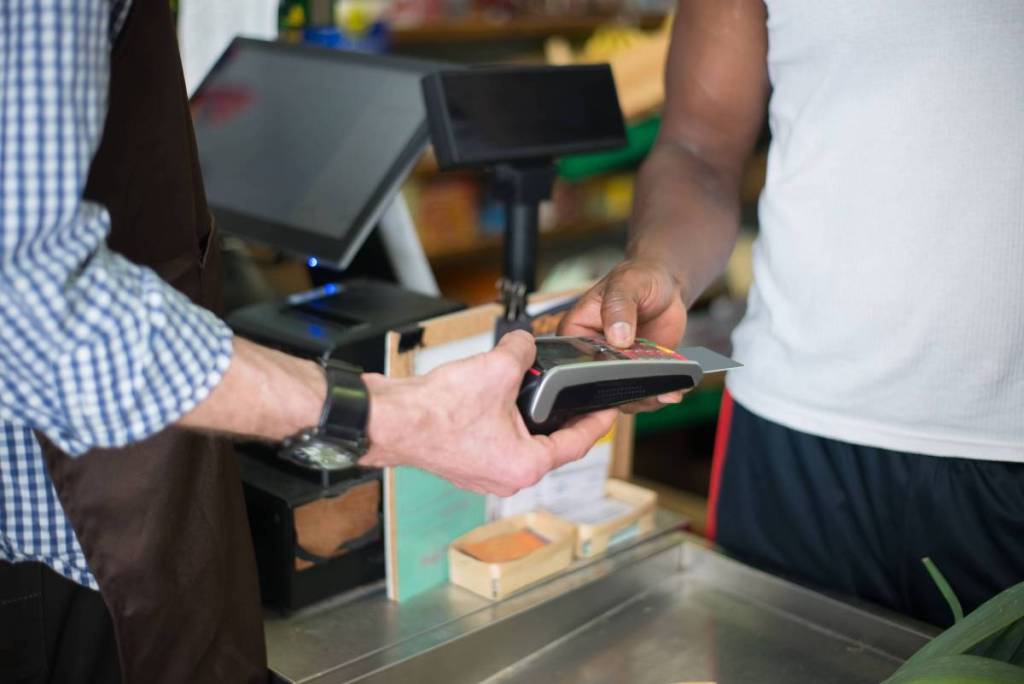
In the United States, a different picture is emerging. Retailers like Target are scaling back their self-checkout lanes and, in many stores, limiting them to customers with only a few items. Reasons cited include shoplifting, so-called shrinkage, as well as customer frustration with error-prone machines and the feeling of performing unpaid labor themselves. As a result, some chains are once again placing greater emphasis on staffed registers and personal service. The contrast between the two markets is therefore striking: what is marketed here as progress is viewed in many places there as a problem.
It remains to be seen whether Hofer will learn from these experiences. The key factors are likely to be how reliably the technology works and how customers respond to the new offering. The question of how to prevent theft without casting general suspicion on honest customers will also play a role. Ultimately, the expansion must be worthwhile for both sides in the long run: for the company as well as for the people who shop there every day.