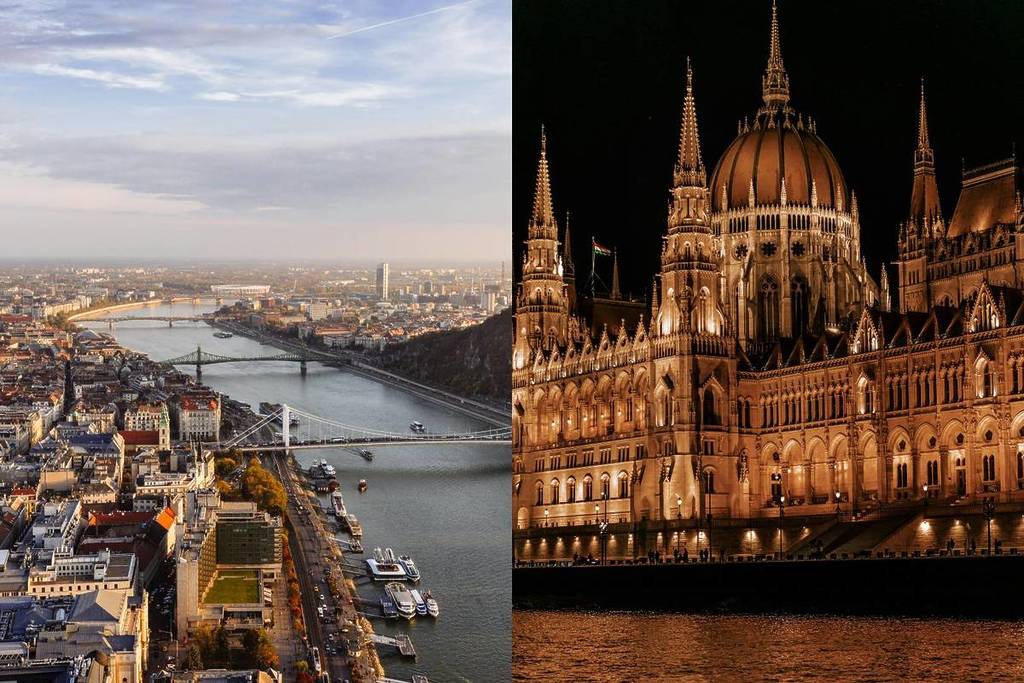

Anyone who lives in Vienna has already hit the jackpot and lives in the most beautiful city in Europe. On top of that, Vienna’s location means it practically has one of the most photogenic cities right in its backyard. We’re talking about none other than Budapest. It’s often called the “Paris of the East, ” but the city really doesn’t need that comparison. While Vienna is more like the elegant, polished cousin, Budapest comes across as a bit wilder, more unvarnished, and damn charming.
Getting there is a breeze. The most relaxed way to travel is on the ÖBB Railjet. Trains depart from the main station almost hourly , and after just under 2 hours and 40 minutes, you’ll already be pulling into Keleti Station. If you book early enough, you can often get a ticket starting at 19.90 euros. By car, it takes about the same amount of time via the A4 , but parking in Budapest can be a real pain.
Splendor, history, and a touch of decay
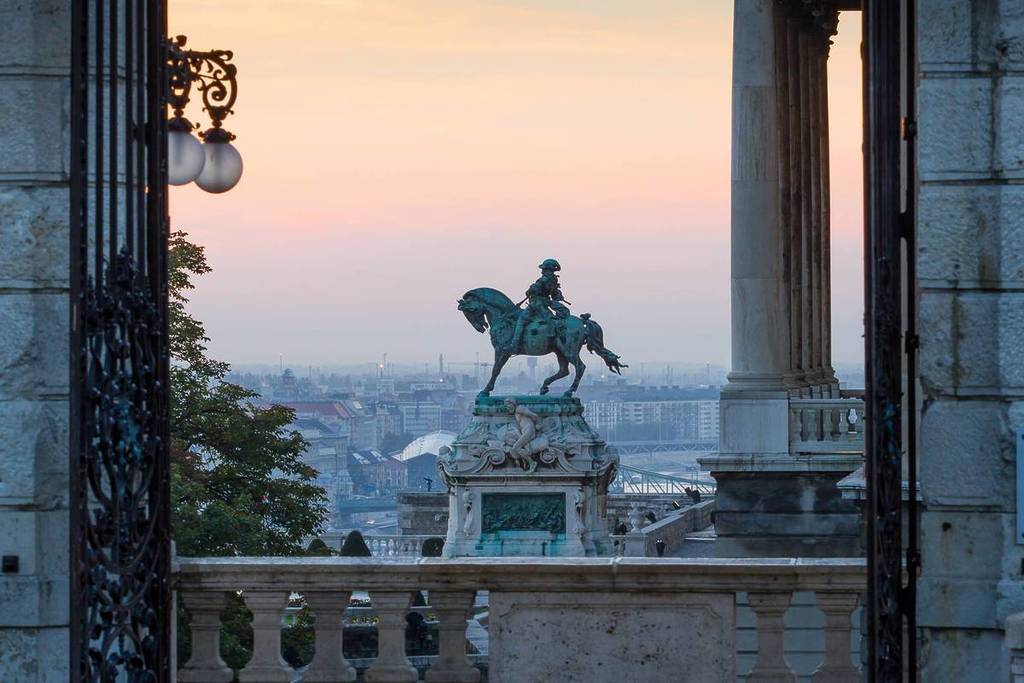
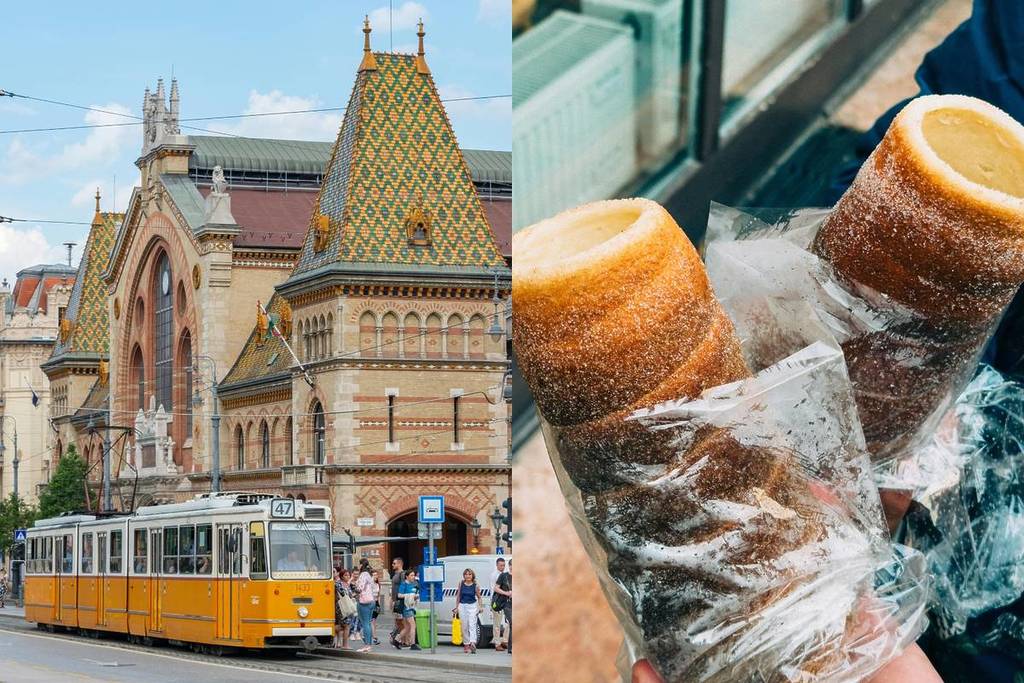
Budapest is the capital and largest city of Hungary, with around 1.7 million residents. The architecture in Budapest is stunning. Everywhere you look, you’ll find this mix of ostentatious historicism and whimsical Art Nouveau. The Parliament Building right on the banks of the Danube isn’t just massive—when lit up at night, it almost looks like a golden palace. Budapest was formed in 1873 through the merger of the districts of Buda, Óbuda, and Pest. While you can feel the medieval history on the hilly Buda side with the Fisherman’s Bastion, modern life pulsates along the wide boulevards in the flat Pest district.
Thermal bath hopping and ruin bars
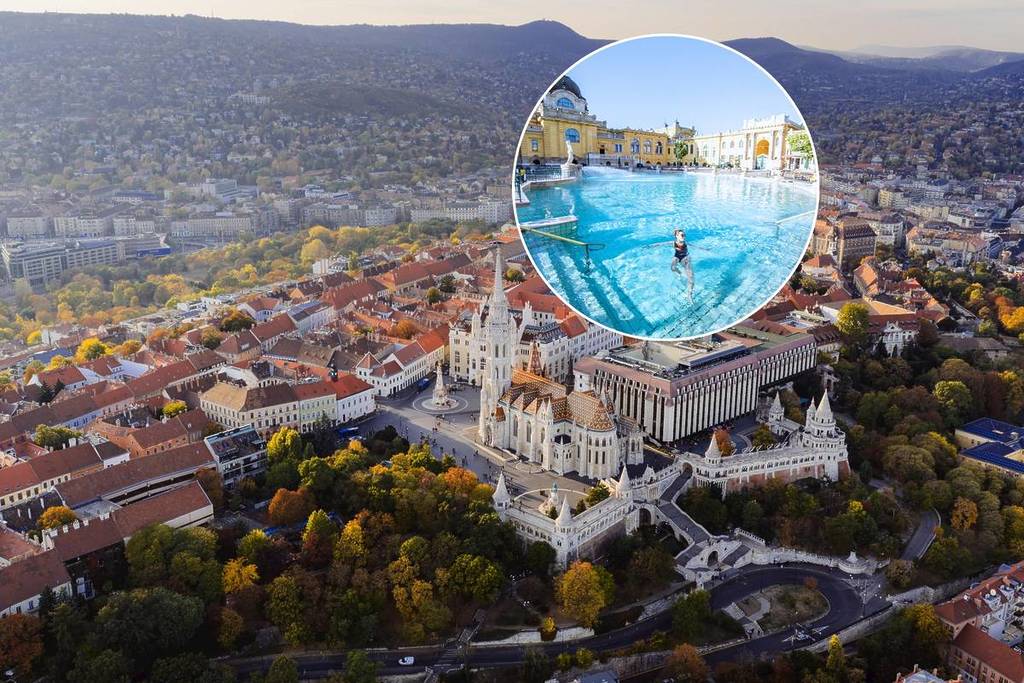
Budapest is world-famous for its thermal springs. If you like it classic, head to the Széchenyi Thermal Bath in City Park—you’ll surely recognize the yellow building with the outdoor pools from photos. If you prefer an Art Nouveau atmosphere with mosaics and marble , check out the Gellért Bath. A little tip for those on a tight budget: At the local canteens (Étkezde), you can often get a huge meal for under 10 euros, so you can easily stay under a 30-euro daily budget, including a public transit ticket and a beer.
When the sun goes down, everyone heads to the Jewish Quarter (7th District). This is where the legendary ruin bars are located. These are old, half-ruined backyards that have been transformed into bars with quirky flea-market furniture and string lights. Szimpla Kert is the original and is now packed with tourists, but it’s still a must-visit for first-timers.
Our tip for the best view
If you want to enjoy the sunset at the Fisherman’s Bastion without the crowds, take a stroll up to the Philosophers’ Garden (Filozófusok kertje) on Gellért Hill. It’s usually quiet up there; you’ll have the whole city spread out before you and can watch the lights of the Chain Bridge come on in peace.
The best time to visit is May or early June. That’s when everything is in bloom, the outdoor cafés are open, and temperatures hover comfortably between 20 and 25 degrees. In the height of summer, the concrete in Pest can really heat up, so you’ll work up quite a sweat. September is also fantastic, because the evening light casts a particularly golden glow over the Danube.