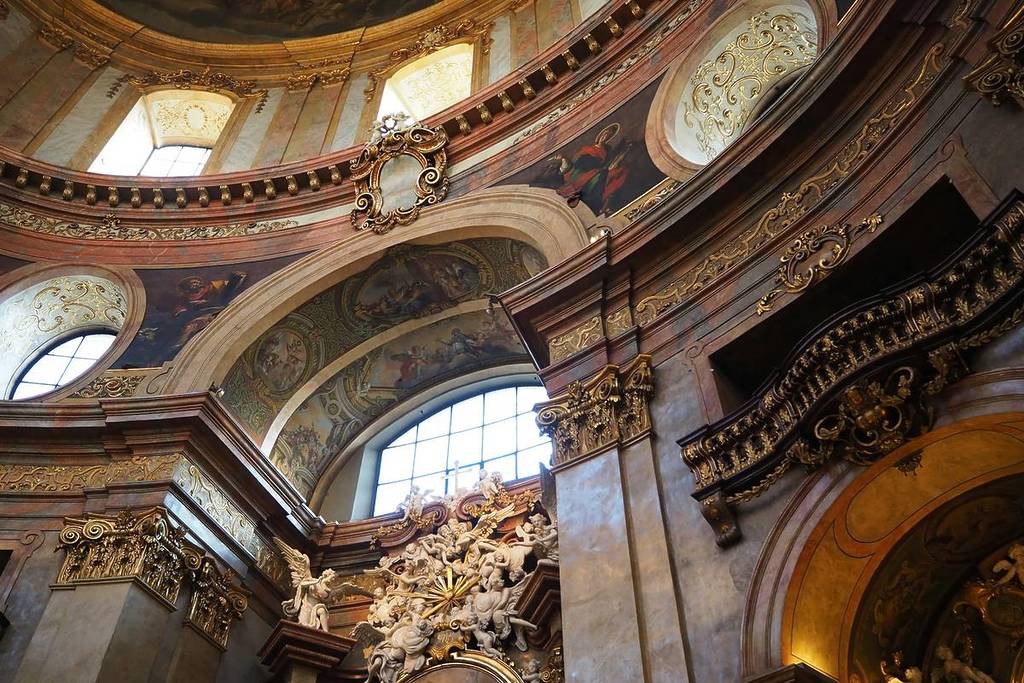
The Hofburg is a sight on most tourists’ itineraries, but many only see it from the outside. However, the interior conceals a magnificent baroque hall with rich decorations and frescoes that make for a fascinating sight. So if you haven’t visited the National Library yet, you should definitely add it to your list of things to do in Vienna!
The collection of the National Library
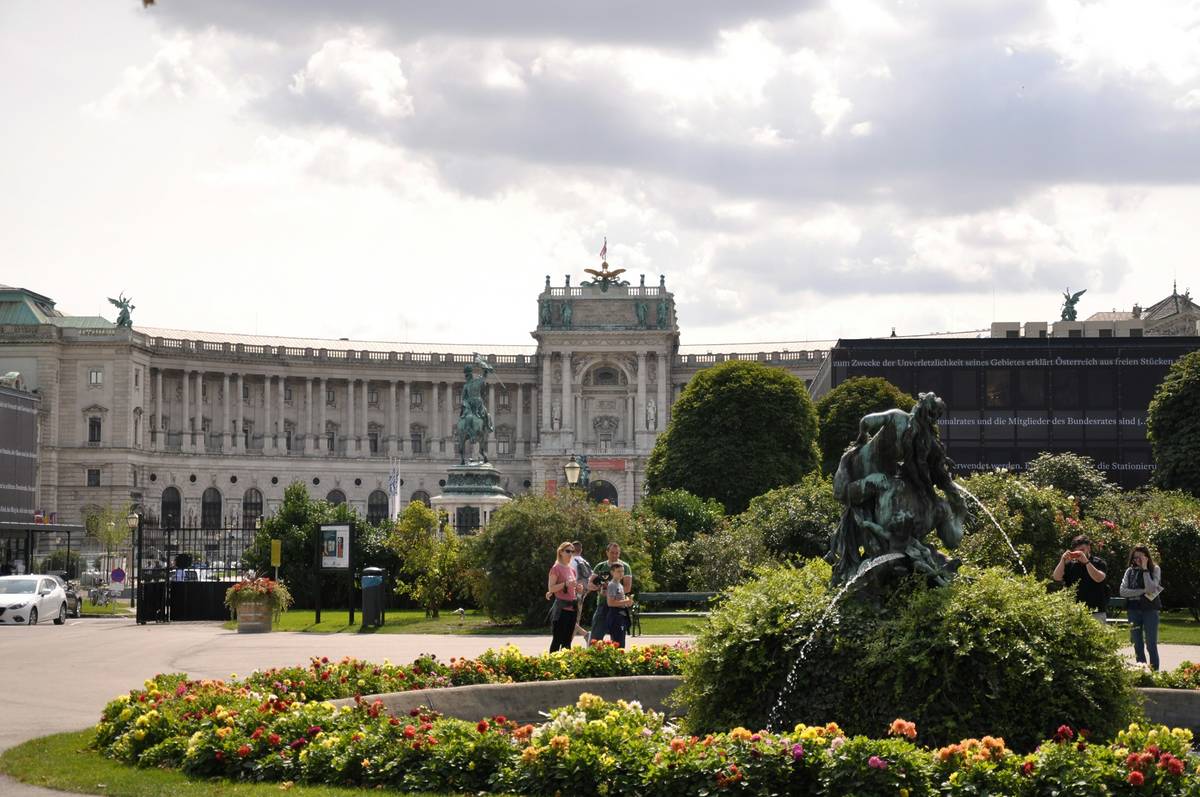
Initially, the writings and books of the court library were kept in the Minorite Monastery until Emperor Charles VI finally commissioned the construction of a library building. After three years of construction in 1726, the first library hall opened in the Hofburg. Over the course of time, the court library developed into one of the most extensive universal libraries in the world. At the end of the First World War, it passed into state hands and became today’s National Library. Since then, the focus has primarily been on works from the humanities.
Austrian works naturally also play an important role. As Austria’s central academic library, the National Library collects all printed works produced in this country, including all dissertations. Copies of Austrian works published abroad are also kept here.
In addition to books and journals, you will find many other media and collections in the library, such as globes, papyrus scripts, graphics and an extensive music collection containing pieces and estates of well-known Austrian composers, such as Richard Strauss. You can view some of the collections in the museums of the National Library: The Papyrus Museum, the Globe Museum, the Esperanto Museum and the Literature Museum. In addition to these museums, you can also visit the famous State Hall.
The State Hall in the National Library
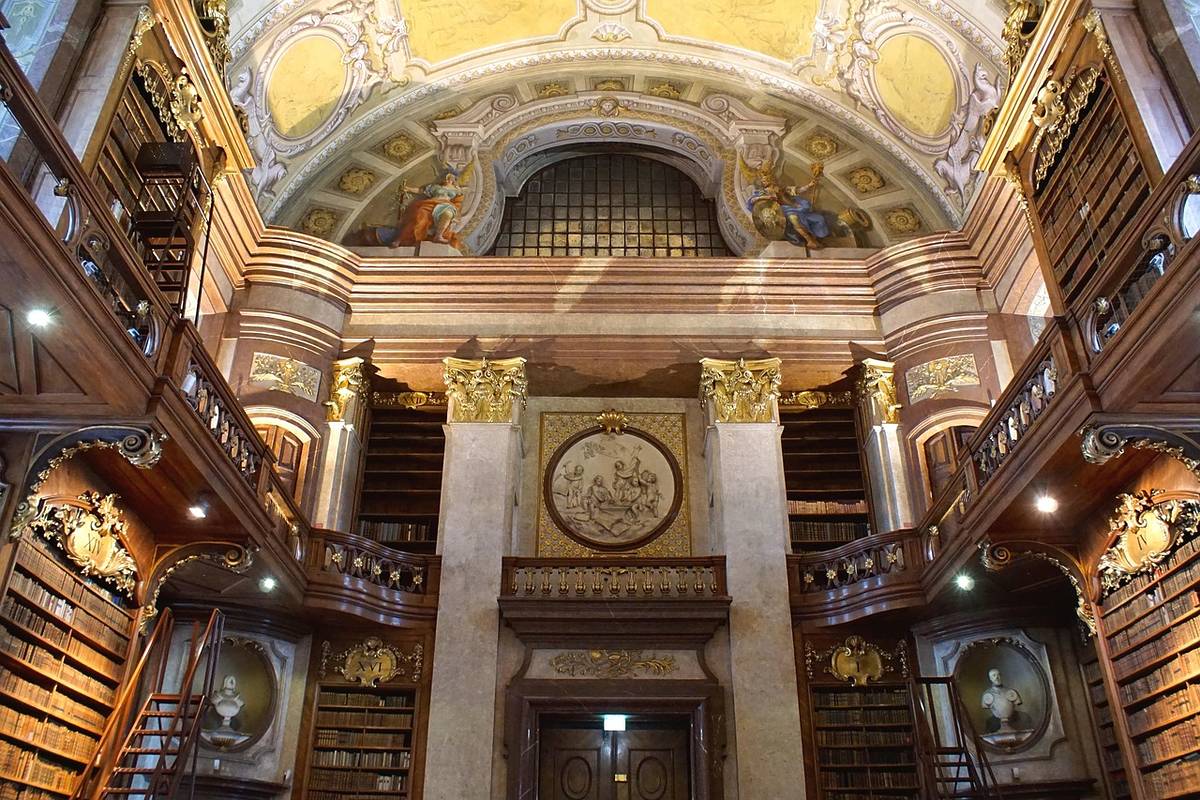
The State Hall is the first and therefore oldest room in the library. At that time it was a free-standing building, but today it is connected to the Hofburg by extensions and annexes. In the middle of the State Hall, you are greeted by a sculpture of the patron Charles VI, enthroned on a pedestal. It is surrounded by four Venetian globes. There are other marble statues of Habsburg nobles scattered throughout the hall.
If you can take your eyes off the magnificently decorated walls and furniture, you should definitely take a look upwards. The ceiling fresco in the domed hall by painter Daniel Gran shows the apotheosis of Charles VI, whose image is held by Hercules and Apollo. The two side wings also have frescoes on the ceiling and marble statues.
Today, the State Hall contains over 200,000 collected works. It is almost 78 meters long and almost 20 meters high. The dome that crowns the hall once had to be reinforced with an iron ring as cracks had appeared in it. If you look closely, you can still see them. If you would like to visit the State Hall, you can book a guided tour to learn more about its history and architecture. You can also explore it on your own.
📍 Address: Josefsplatz 1, 1010 Vienna
Opening hours:
- Mon to Wed and Fri to Sun 09:00 to 18:00
- Thurs 09:00 to 21:00
- October to May closed on Mondays
💶 Price information: regular €11, reduced €8