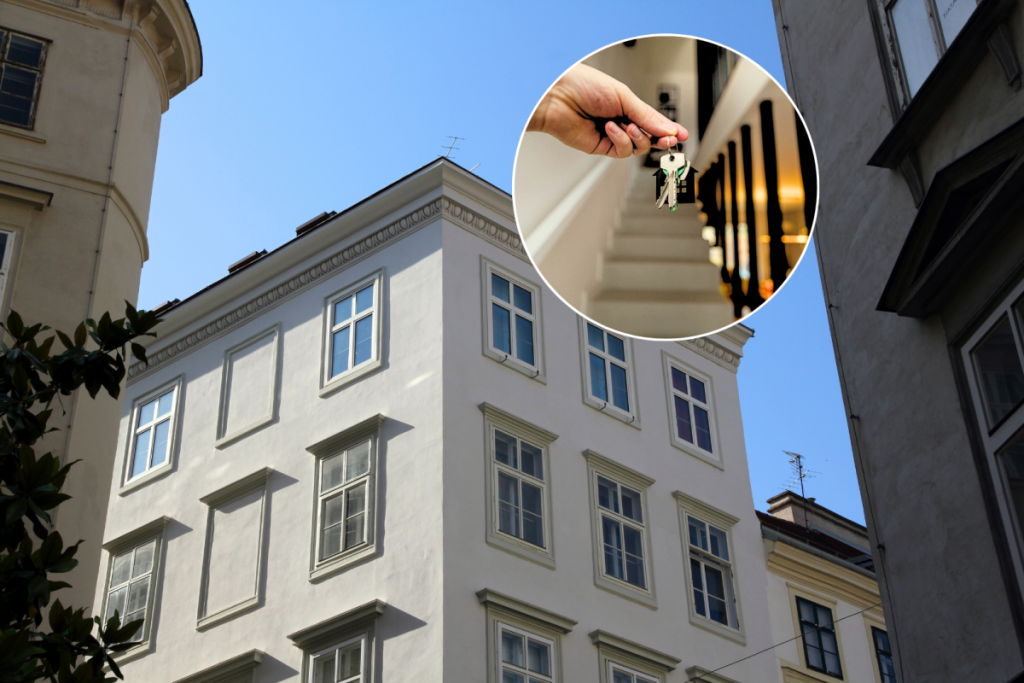

In October 2026, the Vienna State Parliament passed a far-reaching reform affecting booking platforms such as Airbnb and Booking.com. Starting January 1, 2027, accommodations in Vienna may only be advertised with an official registration number. We’ve taken a detailed look at Vienna’s new Short-Term Rental Registry Act and the amendment to the Building Code and summarized what landlords and travelers can expect.
No More Loopholes: Obligations for Landlords
Anyone who wishes to rent out living space to guests on a short-term basis in Vienna in the future must register the property in advance with the City of Vienna’s electronic registry. This requires providing personal information, the exact address, and the maximum number of sleeping accommodations. For existing listings, a three-month transition period applies until March 31, 2027, while new rentals must be registered immediately starting at the beginning of the year.
Commercial providers can no longer circumvent the rules using “fake hotels,” as accommodation facilities will in the future be required to have a separate street entrance away from the stairwell and at least three units. In addition, citywide, at least 80 percent of a building’s usable floor area must be permanently designated as residential space. Genuine home-sharing in one’s primary residence remains legal for a maximum of 90 days per year, but also requires an official registration number.
By the way: If you want to stay up to date on exciting places, event discounts, and news in and around Vienna, feel free to follow us on Instagram, Facebook, or our WhatsApp channel!
Fewer Listings, Greater Safety: The Consequences for Travelers
For travelers, the state parliament’s decision brings noticeable changes when booking accommodations in Vienna. As commercial “dummy apartments” disappear from the market, the supply of vacation apartments in the city will shrink significantly. As a result, prices for private accommodations and demand in the hotel industry could rise noticeably.
At the same time, guests will benefit from a higher level of booking security, as platforms will no longer be allowed to list unregistered accommodations. This means you’ll no longer run the risk of checking into apartments that don’t comply with building codes or having your reservation canceled shortly before your trip. Landlords who violate these regulations face fines of up to 50,000 euros; repeated building code violations carry minimum fines starting at 2,000 euros.