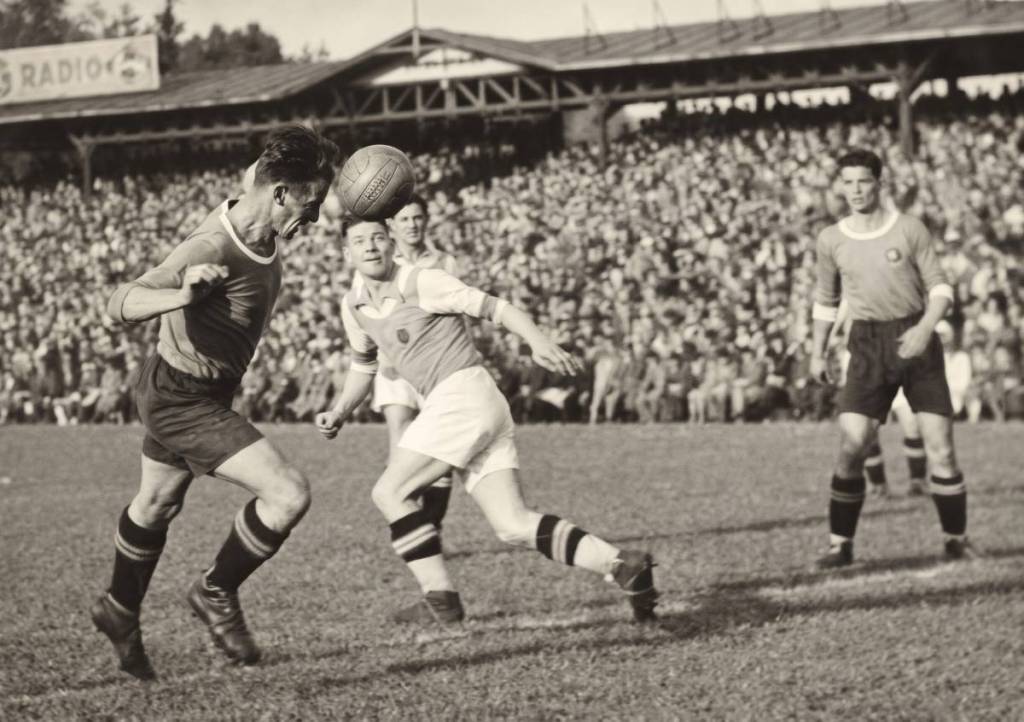

On Sunday, November 1, at 5 p.m., the 351st Vienna Derby in competitive history will take place at the Generali Arena. Austria is the host this time. The matchup between SK Rapid and FK Austria Vienna is considered the second-most frequently played soccer derby in Europe, surpassed only by the Old Firm between Celtic Glasgow and the Glasgow Rangers. The city is divided into green and purple like almost nowhere else.
The Derby Record: Rapid in the Lead, Austria on the Rise
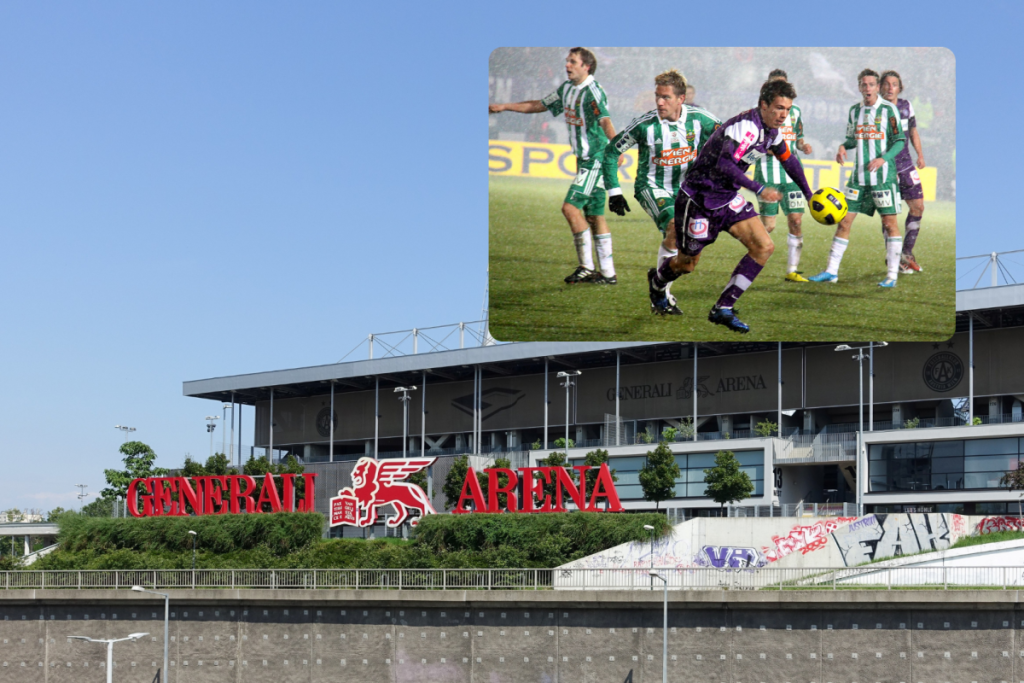
After 349 matches in the league, cup, and Super Cup, Rapid had 140 wins, Austria had 125, and 84 games ended in a draw. With Austria’s 2–0 victory in the 350th derby in May, the score stands at 140–126 in Rapid’s favor. Rapid thus remains in the lead, but Austria is closing the gap. Last season, Austria remained undefeated with three wins and one draw. Rapid ended the season without a derby win.
Among the most memorable matches are those with record-breaking scores. Rapid won the first match on September 8, 1911, by a score of 4–1. Rapid’s biggest victory was a 10–1 win in August 1942 at the Praterstadion, while Austria’s biggest victory was a 6–0 win in October 1969.
The circumstances are unusual this time around. Rapid leads the table after nine rounds with 24 points, while Austria sits at the bottom with seven points. Rapid coach Johannes Hoff Thorup is the only Bundesliga coach who has yet to face Austria. That’s precisely why this derby is considered unpredictable.
Two clubs, two stories
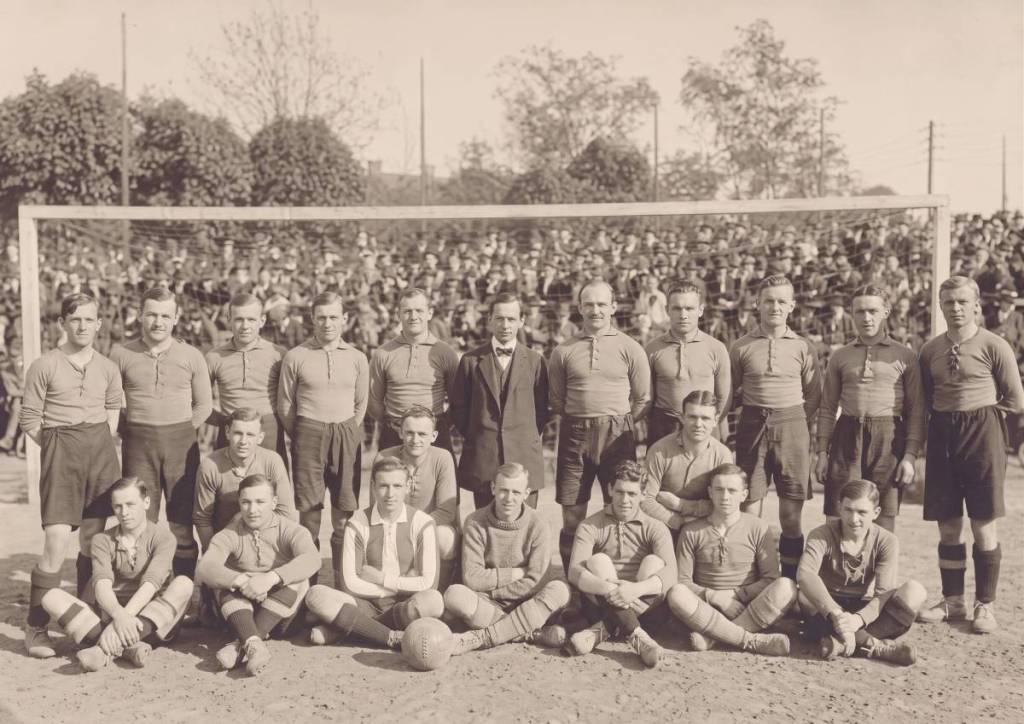
Rapid was founded in 1899 as the First Vienna Workers’ Soccer Club and represented the working class of the suburbs. With 32 league titles, the club is Austria’s all-time record champion. In 1996, the Hütteldorf-based team reached the final of the European Cup Winners’ Cup, which they lost in Brussels to Paris Saint-Germain.
Austria was founded in 1911 as the Vienna Amateur Sports Club and has borne its current name since 1926. It was considered the more middle-class, more refined club. In the 1930s, legends such as Matthias Sindelar shaped the image of the elegant “Viennese style of play.” During the Nazi era, Austria was branded a “Jewish club” and struggled greatly. It won its most recent league title in the 2012–13 season.
The old class divisions have long since disappeared. Both clubs have fans throughout Austria, and supporters can no longer be clearly assigned to specific social classes. What remains is the rivalry that once again divides Vienna into two camps on a November Sunday.