
As you wander through Vienna’s collections, you’ll stumble upon real world history, imperial splendor, and radical contemporary art. Some museums are packed on rainy weekends, while others offer relaxed corners to unwind and marvel. We’ve researched the fifteen best museums in Vienna for you. This way, you’ll save yourself the hassle of a long search and know exactly where to go.
Leopold Museum
The striking white cube made of shell limestone dominates the courtyard of the MuseumsQuartier and offers you a full immersion in“Vienna around 1900.”You’ll see the world’s largest collection of Egon Schiele works, including the famous portrait of Wally Neuzil, as well as Gustav Klimt’s central work“Death and Life.”
The museum not only displays paintings but is dedicated to the entire lifestyle of that era. Original furniture by Adolf Loos and Josef Hoffmann showcases the design revolution of the time—moving away from plush, toward clean lines. Through the large panoramic windows on the upper floor, you can occasionally catch glimpses of the historic center across the street.
Natural History Museum (NHM)
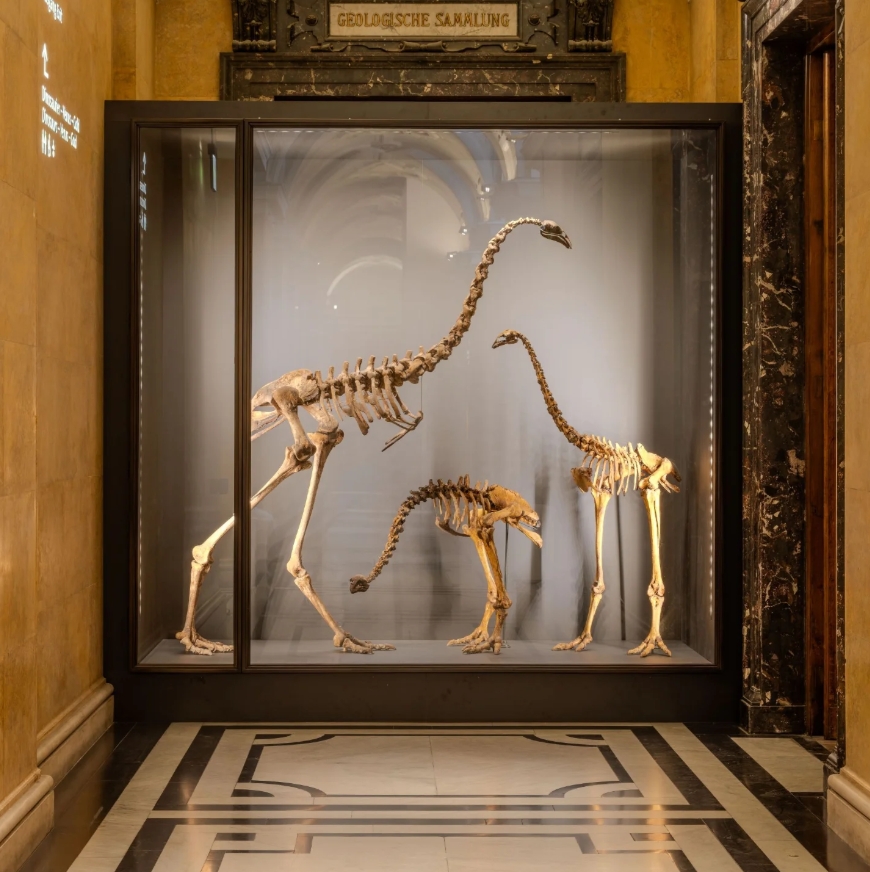
You’ll wander through historic Ringstrasse architecture past giant dinosaur skeletons, prehistoric insects, and the extinct Steller’s sea cow. In the Meteorite Hall, there are real rocks from Mars, some of which you’re even allowed to touch. The absolute highlight is the Venus of Willendorf: the tiny limestone figure, just eleven centimeters tall, is nearly 30,000 years old and has its own dark, heavily secured room.
In addition, the museum stands out for its anthropology department, which brings human evolution to life. The countless historical display cases made of dark wood also preserve the charm of the 19th century. If you’re looking for even more visual experiences, book a ticket in advance for the digital planetarium under the dome.
Belvedere
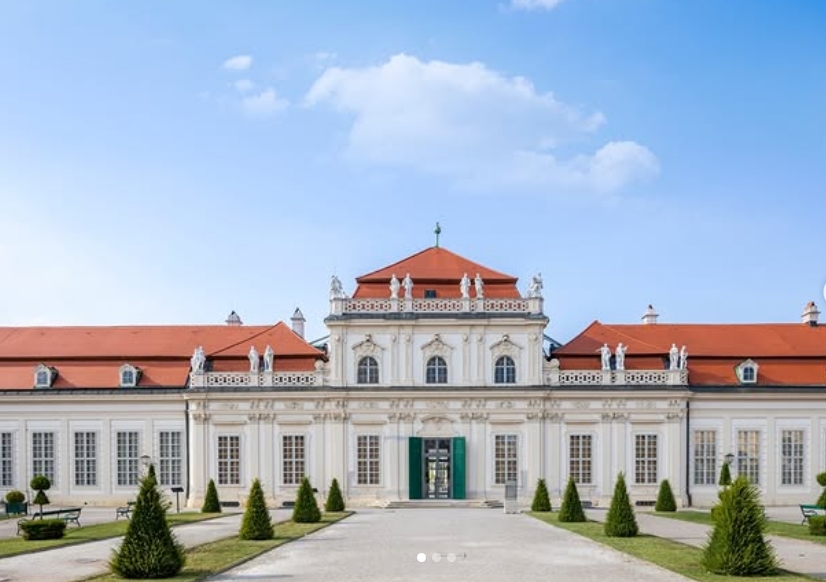
In the Baroque palace, everything revolves around Austrian art, presented in the former state rooms of Prince Eugene of Savoy. The absolute crowd-pleaser is Gustav Klimt’s “The Kiss,” which is often besieged by crowds of people. But you’ll find much more here: Expressionist portraits by Egon Schiele, the quirky “character heads” by sculptor Franz Xaver Messerschmidt , and richly detailed works from the Biedermeier period.
In the historic Marble Hall, where red walls meet massive gold stucco, the Austrian State Treaty was also signed in 1955. After touring the halls, it’s worth making your way down to the sloping Baroque garden. From there, you’ll have the famous “Canaletto view” of Vienna’s city center.
Kunsthistorisches Museum (KHM)
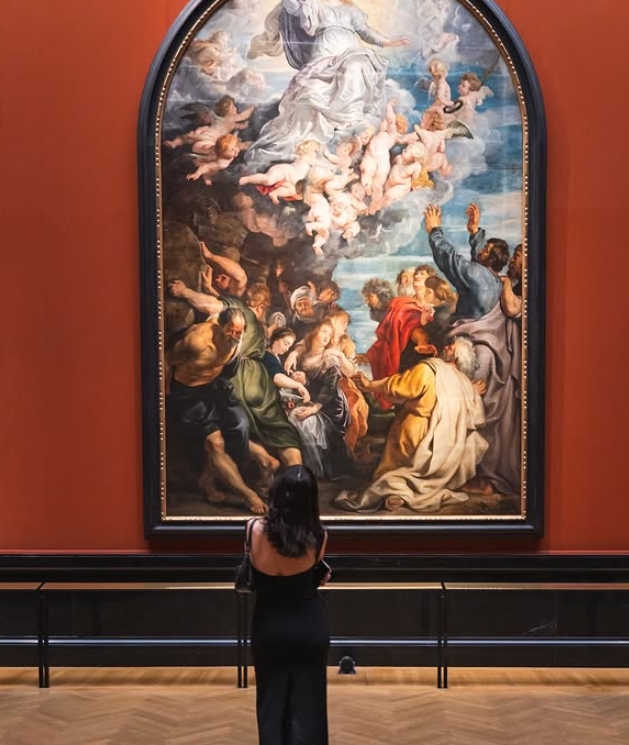
The Picture Gallery features masterpieces such as Pieter Bruegel’s “Peasant Wedding” and works by Peter Paul Rubens. On the ground floor, the Kunstkammer awaits you with curious Renaissance automata and Benvenuto Cellini’s Saliera —the golden salt cellar that was stolen in 2003 and later recovered in a bag in the Waldviertel region.
Added to this is the Egyptian and Oriental Collection, where you can view mummified falcons and meter-high sarcophagi up close. The architecture itself is an exhibit in its own right. As you ascend the monumental main staircase, you’ll gaze upon exquisite murals by Gustav Klimt. Beneath the massive dome, there’s also a café where you can relax with a Melange before continuing on.
mumok (Museum of Modern Art)
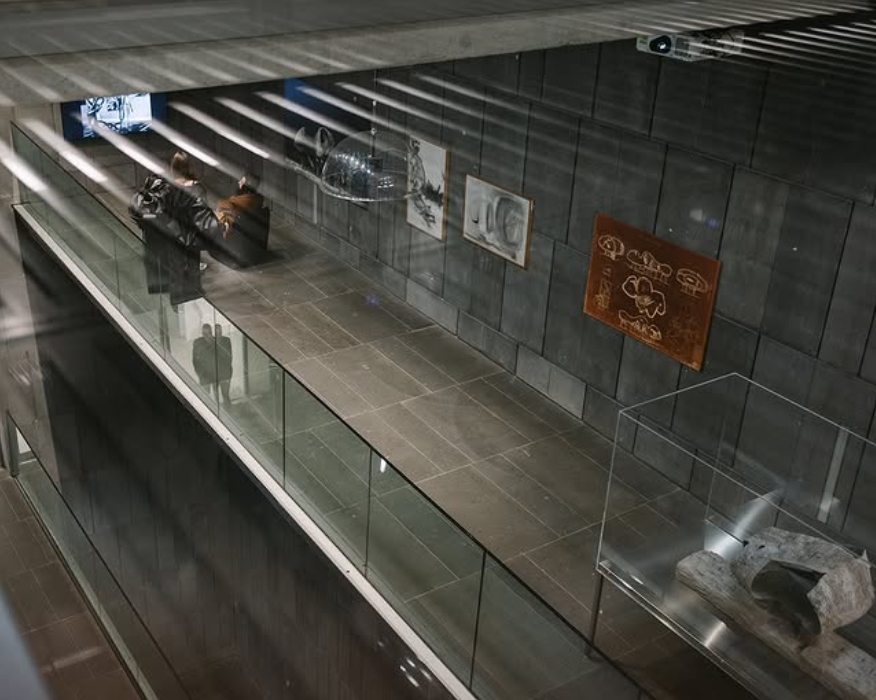
Right across from the Leopold Museum stands the dark gray basalt block of the mumok. This is your go-to spot for everything radical and contemporary. The permanent collection features Pop Art by Andy Warhol, sharp photorealism, and places a strong focus on Viennese Actionism.
Those interested in the provocative performances of Günter Brus or Hermann Nitsch will gain in-depth insights here. Prepare yourself for loud video art, massive installations, and spatial concepts that often polarize strongly and spark discussion. The building itself draws you deep into its labyrinthine levels and has its own unique, slightly muffled acoustic character.
Albertina
The permanent collection “Monet to Picasso” ( Batliner Collection) showcases the transition to classical modernism with paintings by Cézanne, Degas, and Chagall. However, the building on Albertinaplatz is best known for its vast collection of prints. This is where Albrecht Dürer’s “Hare” is housed ; for conservation reasons , it is often represented in the galleries by high-quality facsimiles.
You’ll also stroll through 20 authentically restored state rooms that show you how Marie Christine—Maria Theresa’s favorite daughter —lived back then. So you get a mix of Habsburg court life, inlaid floors, and world-class art. In January or February, it’s wonderfully warm here, and the view from the bastion across to the Opera House is a nice bonus.
Technical Museum Vienna (TMW)
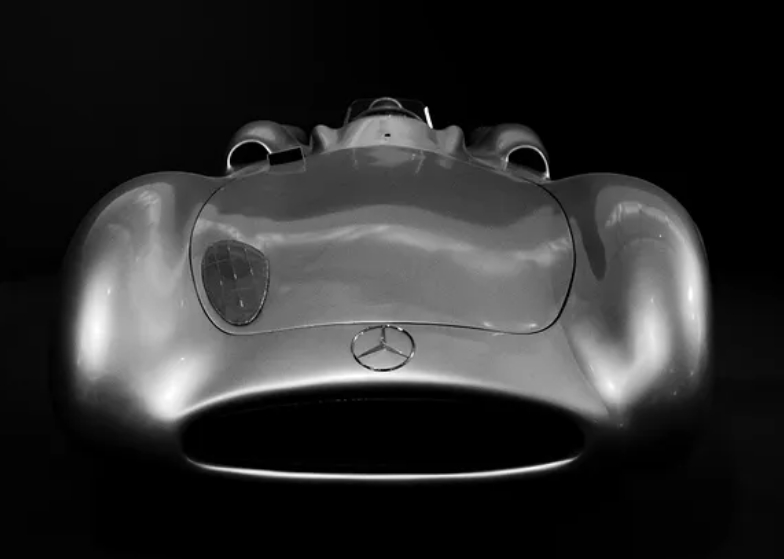
Here you’ll stand before massive steam locomotives, Empress Elisabeth’s opulent court salon car, and early aircraft hanging from the ceiling. The museum presents the history of technology in a way that doesn’t feel dry. During the high-voltage demonstration, loud, artificial lightning flashes crack through the room, and in the basement you’ll explore a meticulously recreated coal mine.
But it’s not just about the past: The museum also focuses intensively on topics such as artificial intelligence, robotics, and sustainable energy production. It’s perfect for understanding complex processes, because at many interactive stations you can press buttons, pull levers, and experiment yourself.
Vienna Museum Karlsplatz
After years of renovation, the building on Karlsplatz is open again and looks absolutely stunning architecturally. The new permanent exhibition “Vienna. My History” takes you chronologically across three floors, from the Roman excavations to the present day. You’ll encounter the original lead figures of the Donner Fountain, a massive city model from 1850, and Klimt’s famous painting of “Pallas Athena.”
These are joined by everyday objects, old shop signs, and models of the old Südbahnhof. From the freely accessible terrace on the new glass-roofed floor , you’ll also have a perfect view of the dome of St. Charles’s Church. Best of all: the entire permanent exhibition won’t cost you a cent.
MAK (Museum of Applied Arts)
The Museum am Stubenring showcases the seamless transition between fine art and genuine craftsmanship. You’ll stroll through high-ceilinged halls and discover Gustav Klimt’s working sketches for the massive Stoclet Frieze, as well as an entire room filled with Thonet bentwood chairs, which you’ll recognize from Vienna’s coffeehouses.
The Vienna 1900 Collection focuses on the Wiener Werkstätte, featuring delicate glassware, cutlery, and textiles that have made design history. The spacious columned hall on the ground floor is often used for large-scale exhibitions on contemporary architecture and current design trends . Anyone interested in typography or furniture design can easily spend an entire afternoon here.
Weltmuseum Wien
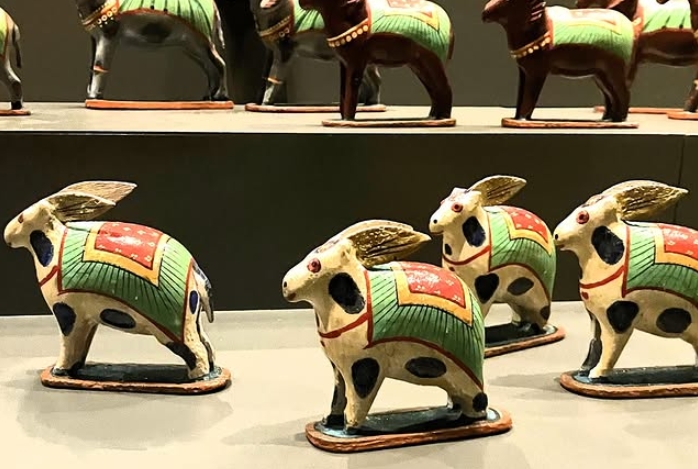
In the heart of the Hofburg, directly beneath the imposing imperial columns, you’ll find one of Europe’s most significant ethnological collections. The absolute centerpiece of the museum is the ancient Mexican feather crown, often simply called a penacho. This headdress, made of hundreds of iridescent quetzal feathers, is the last surviving piece of its kind and has been the subject of heated political debate for decades, as Mexico regularly demands its return. However, experts currently consider transport too risky for the delicate material.
Next to this controversial piece, you’ll stroll through dimly lit halls filled with Indonesian shadow puppets, samurai armor, and Hawaiian feather capes. The collection draws heavily on objects that researchers and explorers like James Cook brought back to Vienna from their Pacific voyages. The modern exhibition architecture provides a stark contrast to the historic Habsburg splendor of the walls. If you’re looking for global cultural history beyond the classic European perspective, you’ve come to the right place.
House of Austrian History (hdgö)
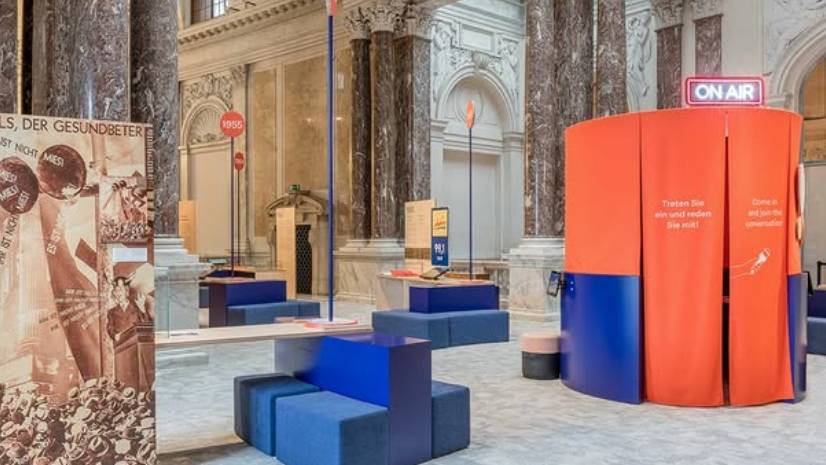
Also located on Heldenplatz, but with a completely different thematic focus, is the hdgö in the Neue Burg. Here, the focus is purely on Austrian history from 1918 onward. The permanent exhibition objectively and unsparingly examines the complex founding of the First Republic, Austrofascism, and the dark era of National Socialism. The museum sees itself as a forum for discussion and continually draws parallels to contemporary society.
Here you’ll see very tangible objects: the heavily damaged wooden bench from the Parliament, which was charred in the 1927 fire at the Palace of Justice, or old ballot boxes from the postwar era. Significantly, the museum is located directly behind the very balcony from which Adolf Hitler announced the “Anschluss” of Austria in 1938. The exhibition is extremely text-heavy and requires a fair amount of reading time—but it provides the absolute foundation for truly understanding the country today.
Military History Museum (HGM)
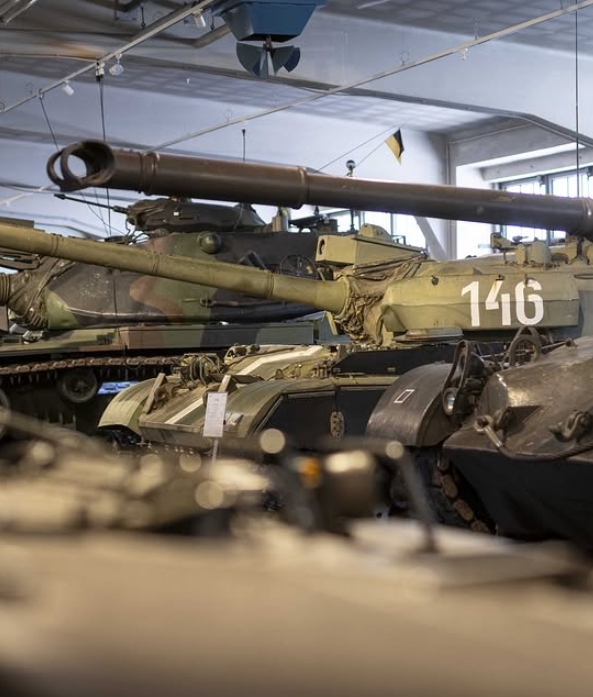
The HGM in the 3rd district is one of the oldest military museums in the world and is housed in the Arsenal, a massive, star-shaped brick complex built immediately after the bloody revolution of 1848. In the spacious, almost sacred-looking halls, you’ll find the original car from Sarajevo—the Gräf & Stift double phaeton in which Archduke Franz Ferdinand was shot in 1914. The bullet hole in the metal is still clearly visible.
Right next to it lies the Archduke’s tattered, blood-soaked tunic. The museum’s collection spans from the Thirty Years’ War through the Ottoman sieges to World War II. Between heavy tanks in the outdoor area, gleaming armor, and a massive Turkish tent, you’ll be treated to a concentrated dose of military history here. A visit is visually overwhelming and highlights the harsh technical realities of war.
Kunst Haus Wien Hundertwasser
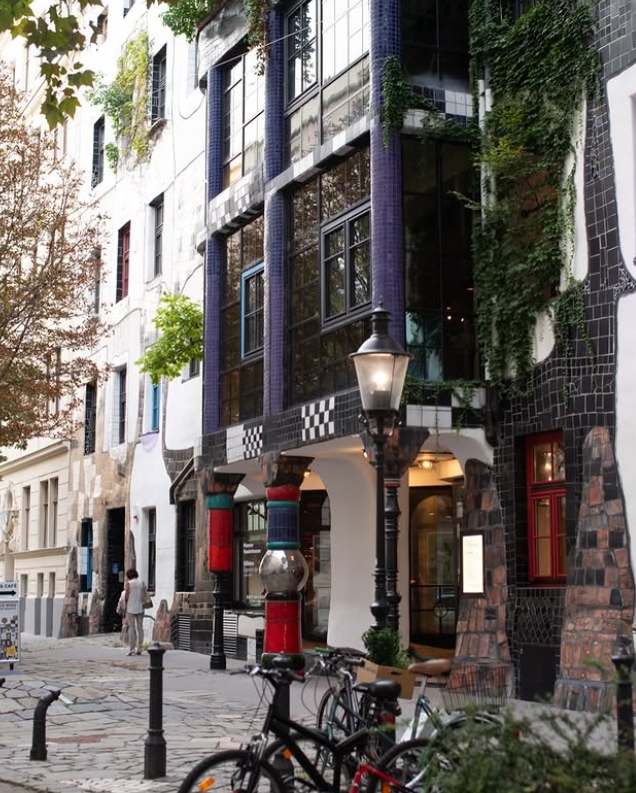
You’ll search in vain for smooth surfaces and right angles here. The Kunst Haus Wien was designed by the artist Friedensreich Hundertwasser , for whom straight lines were simply “godless.” Accordingly, the floors throughout the building are uneven, real trees grow out of the windows, and the façade is a wild mosaic of colorful tiles. It houses the world’s only permanent exhibition of his paintings, prints, and ecological visions.
In addition to its strong focus on Hundertwasser, the newly renovated building in the Weißgerberviertel has established itself as a premier destination for photography . On the upper floors , you’ll regularly find exciting retrospectives of international photographers. If the sloping floors start to make your calves ache after a while, your best bet is to sit down in the idyllic outdoor seating area in the courtyard—a pleasantly cool, lush oasis in the middle of the urban concrete jungle.
Sigmund Freud Museum
In the ninth district, you’ll step into the exact spot where psychoanalysis first saw the light of day. Sigmund Freud lived and practiced at Berggasse 19 for nearly half a century before he was forced to flee to London in 1938 to escape the Nazis. Although the world-famous couch is now in England, the original rooms, the old waiting area, and countless documents bring the atmosphere of turn-of-the-century Vienna back to life.
The museum was completely renovated and made accessible a few years ago, so you can now also stroll through the Freud family’s private living quarters . You’ll learn key facts about the early development of The Interpretation of Dreams and see Freud’s personal collection of ancient statues, which inspired him in his work. Anyone interested in psychology or the intellectual history of the city definitely shouldn’t miss this spot.