
Austria likes to boast about its composers. In Vienna, there are several monuments dedicated to great names like Mozart or Strauss, and not least, the New Year’s Concert in January celebrates the entire Strauss dynasty anew. Elsewhere, too, one can find traces of our country’s composers, for example in Salzburg or in Eisenstadt, the capital of Burgenland. In the latter, Joseph Haydn worked for decades and remains the pride of the city to this day.
Hungarian nobility and Austrian composer
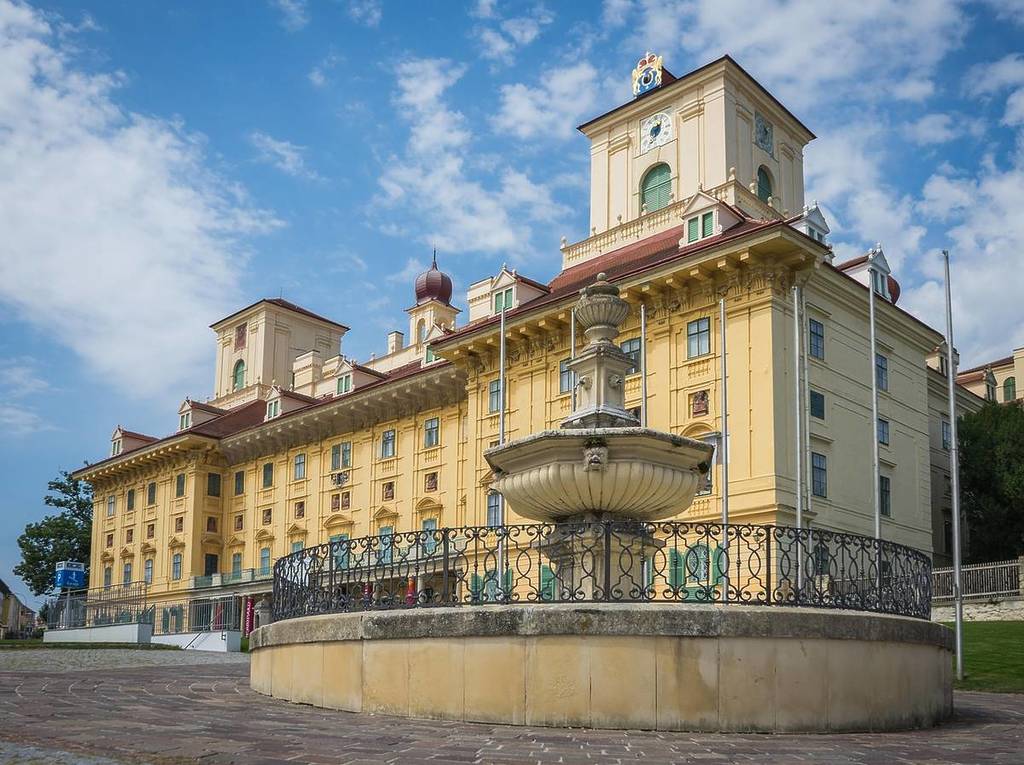
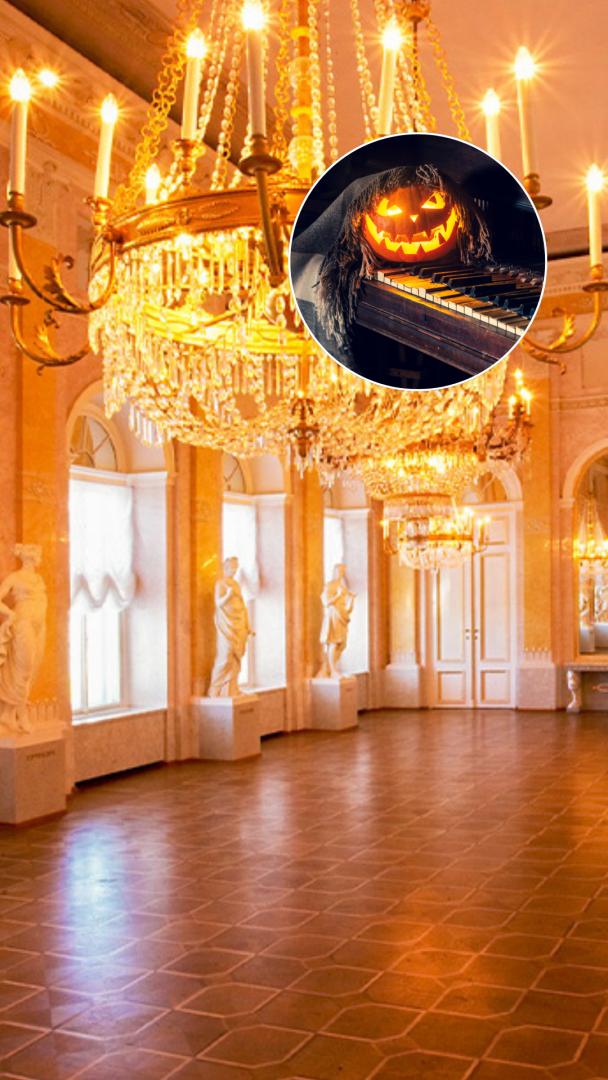
Eisenstadt belonged to the Kingdom of Hungary for a long time before the Habsburgs acquired it as a pledge. In the 18th century, the Hungarian noble family Esterházy finally settled here, choosing Eisenstadt as their princely seat. As a result, the old fortress was transformed into Esterházy Palace in the city center, whose magnificent rooms and sprawling park grounds you can visit today.
In 1761, the family appointed the composer Joseph Haydn as court conductor in Eisenstadt. In this role, he not only composed pieces but also directed the orchestra and the opera. He himself said that, due to a lack of other musical influences at the time, he was forced to become original. During this time, he continued to develop musically and gained increasing recognition. He became friends with Mozart and remained loyal to the Esterházy family until 1789. The Haydn House in Eisenstadt, where he lived for 12 years, now houses the Haydn Museum.
Elegant Eisenstadt
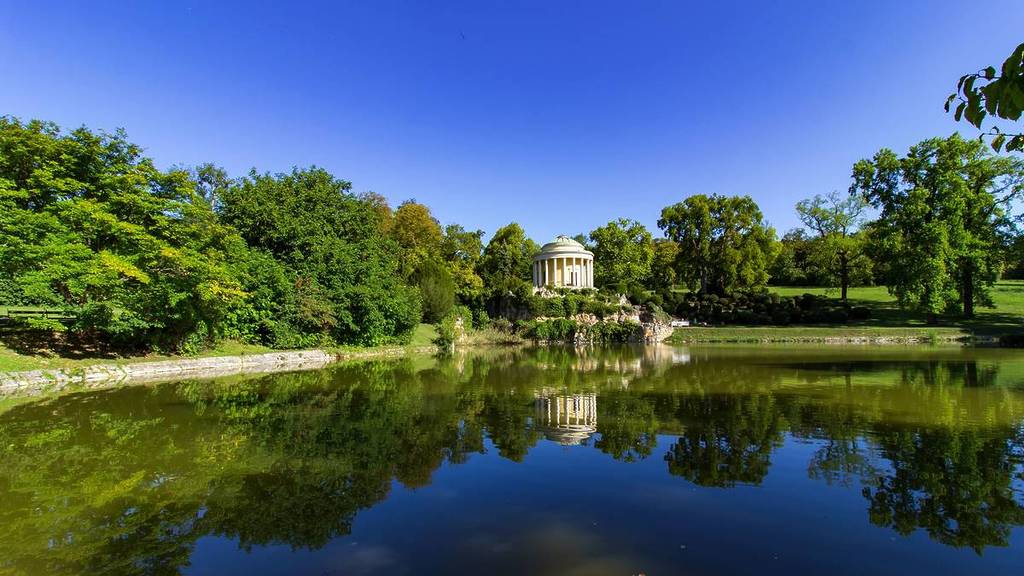
Even beyond the Haydn House and Esterházy Palace, Eisenstadt is worth a visit. In the palace park, you can take long walks and admire the Leopoldine Temple, which towers over a grotto by the pond. With its round white columns, it has a Greek feel, as does the Gloriette at the foot of the Leitha Mountains. The mountains themselves are ideal for a hike.
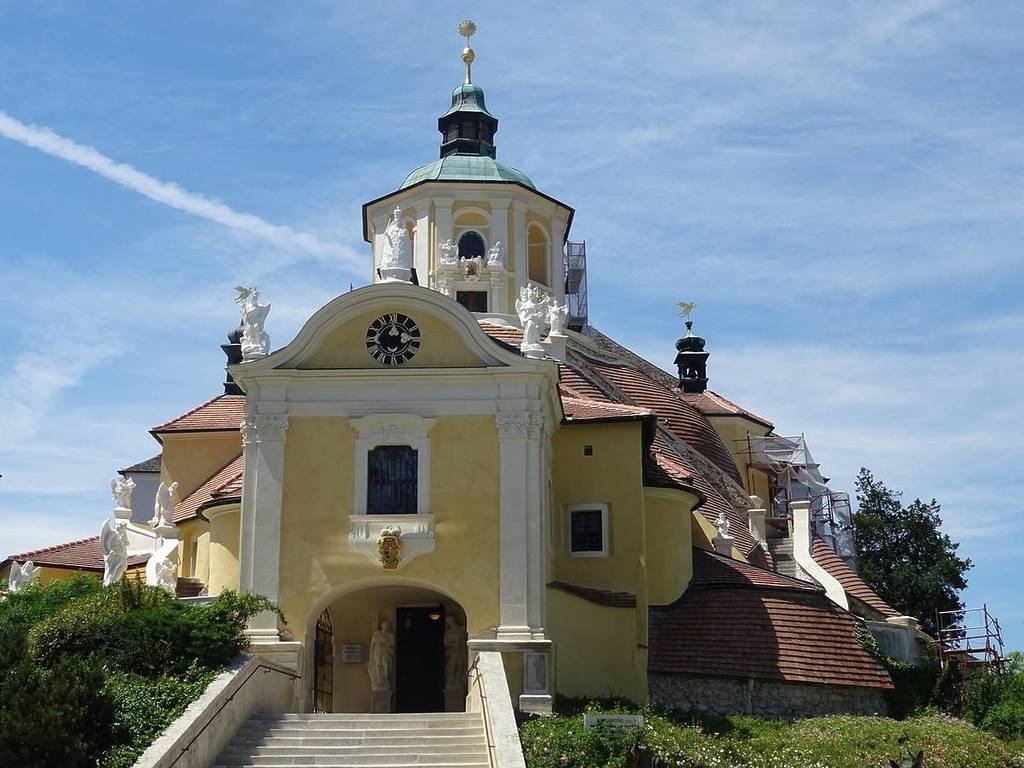
Other highlights in Eisenstadt include the Bergkirche and the Klavarienberg. The Bergkirche is also known as the Haydn Church and houses the Haydn Mausoleum. On the Klavarienberg, you can follow the Passion of Christ along staircases, in chapels, and in niches. Unlike other Klavarienbergs, this one features not just fourteen, but 24 stations. After the trip up the hill, you return to the city center, where you stroll through the alleys and stop at a café. And perhaps you’ll order a slice of Esterházy cake here—what else would you expect?