This coming weekend, we can expect the second full moon of the year. Like every full moon, this one also has a specific name that traditionally marks it. The February full moon is commonly referred to as the Snow Moon . The origin of the name is quite obvious: to this day, February is one of the snowiest months in many places.
This name, along with many other names for full moons that are still commonly used today, was first given by the indigenous peoples of North America. The Algonquin people also noticed that February is a particularly snowy month.
As with all other names given to the full moon—Strawberry Moon, Hunter’s Moon, etc.—there is no scientific connection between the name and the event. The naming depends more on the customs and traditions of those who first named it. In Europe, the February moon was often referred to as the Hunger Moon, alluding to the fasting periods that were common in February. Incidentally, the name of the month itself is also reminiscent of this. Februa is the Latin term for purification sacrifices, which were held by the Romans at this time.
What does the full moon represent?
 Photo: Unsplash
The full moon occurs when the moon, illuminated by the sun, is completely visible from Earth. This happens when the satellite is in the opposite position to the sun. The full moon has always had an important meaning in the cultures and religions of different peoples. From a spiritual point of view, it represents abundance and power.
It is even believed that it can influence earthly energies. That is why, in the spiritual world, the moon represents enlightenment, although its meaning varies depending on the religion. It is no coincidence that the Buddha’s enlightenment takes place on the full moon night of the month of Vaiśākha (between April and May), which is celebrated by Buddhists all over the world. And for this religion, the days of the full moon are always sacred.
When is the best time to see the Snow Moon?
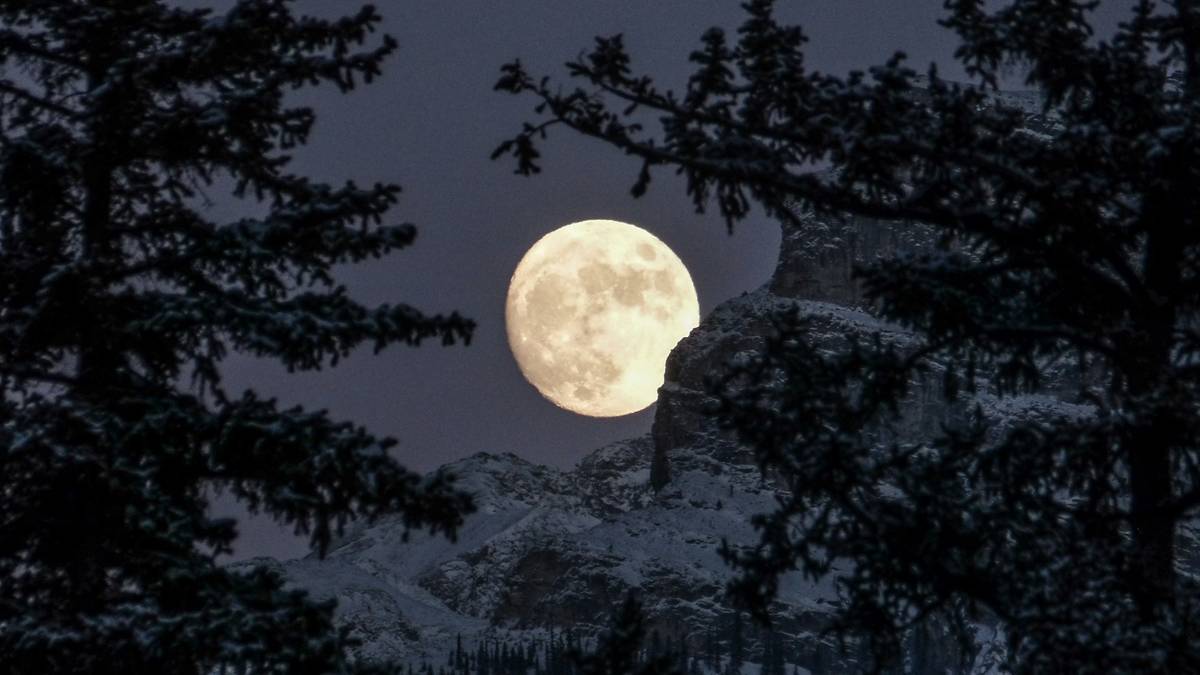 Photo: Unsplash
You can admire the Snow Moon in all its glory on February 3 from around 11 p.m. onwards. By then, it will have reached its full round shape. But the full moon will already be visible from 5:30 p.m. when it rises in the east. If the sky is clear and the view unobstructed, you will be able to admire its white light.
Like the last full moon, this one will also be a little smaller in the sky, as the moon is relatively far from Earth in its current orbit. A little info for astronomy enthusiasts: The upcoming Snow Moon will be in the zodiac sign of Cancer and near the Beehive Cluster .