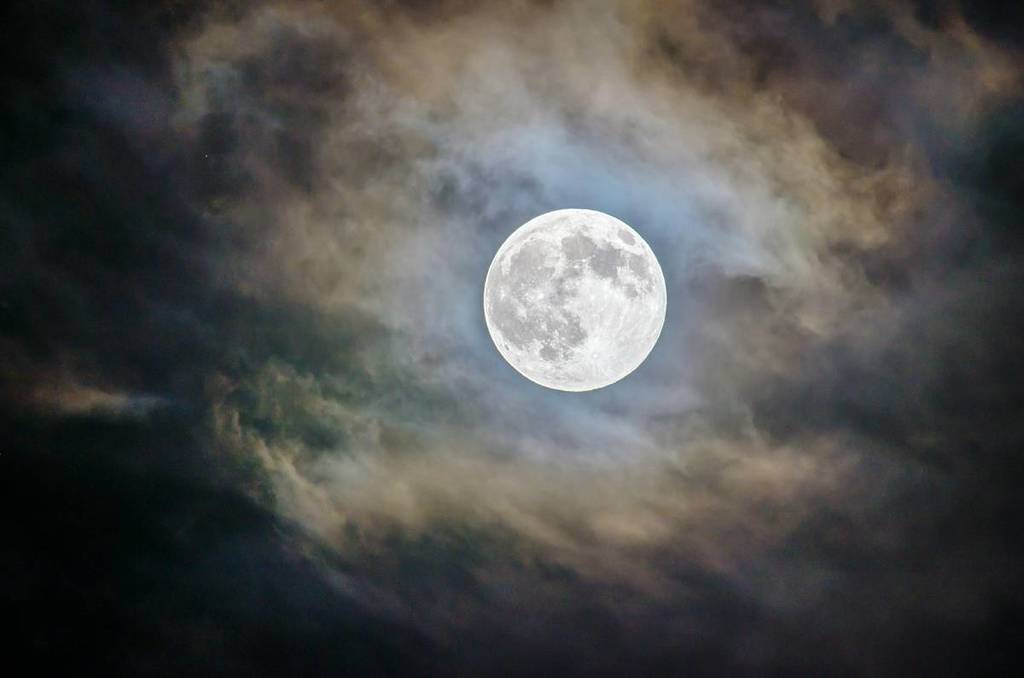
In September, the blood moon and the total lunar eclipse thrilled us, and on October 7, the next celestial event awaits you with the supermoon. You can read everything you need to know about it here.
What is a supermoon?
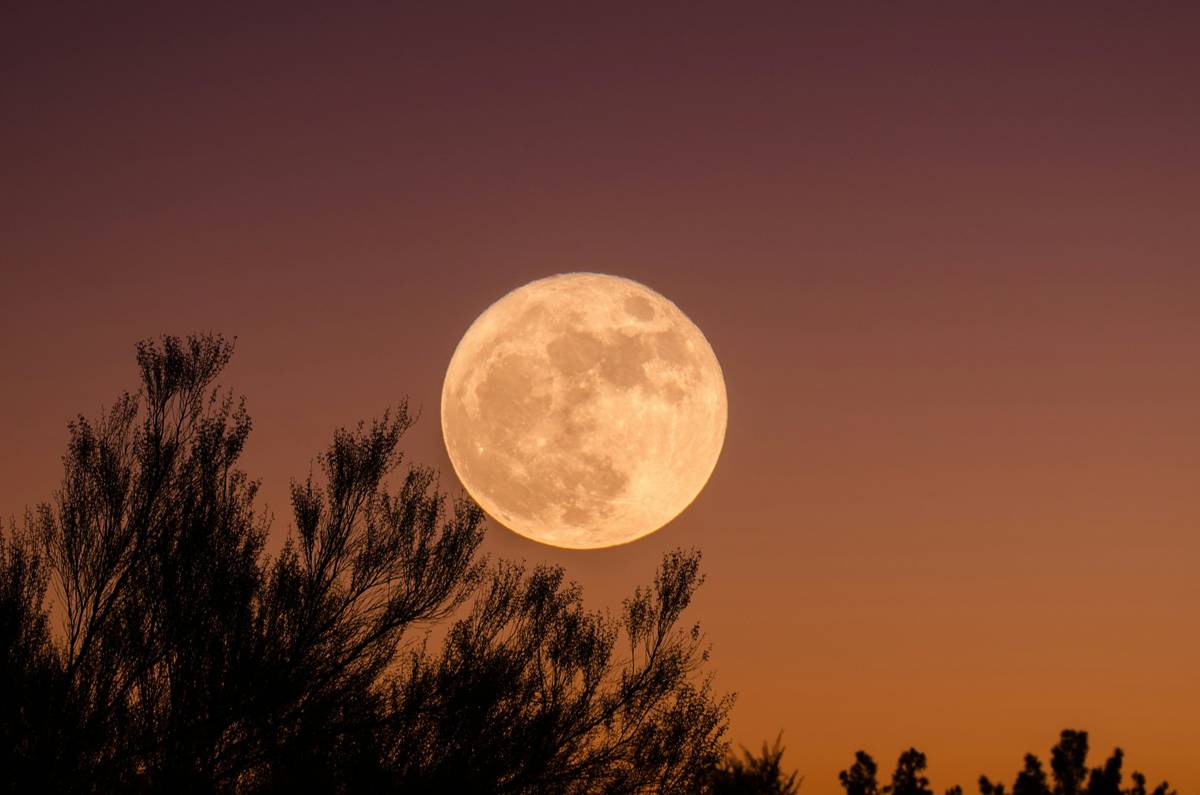
Approximately every four weeks, the moon enters perigee on its elliptical orbit. This is the part of the moon’s orbit that is closest to the Earth. The perigee itself is not static, but changes its distance from the Earth, so that the moon sometimes comes particularly close. If the distance is less than usual, the full moon appears brighter and larger in the sky. This is known as a supermoon. A new moon can also be a supermoon if it is a short distance from the Earth.
The first supermoon in 2025 will only be around 361,000 kilometers away from Earth. The annual average is 384,000 kilometers. On November 5 and December 5, we can expect two more super full moons that are even closer than 360,000 kilometers. The largest full moon of this year is therefore still to come.
How you can observe the super full moon
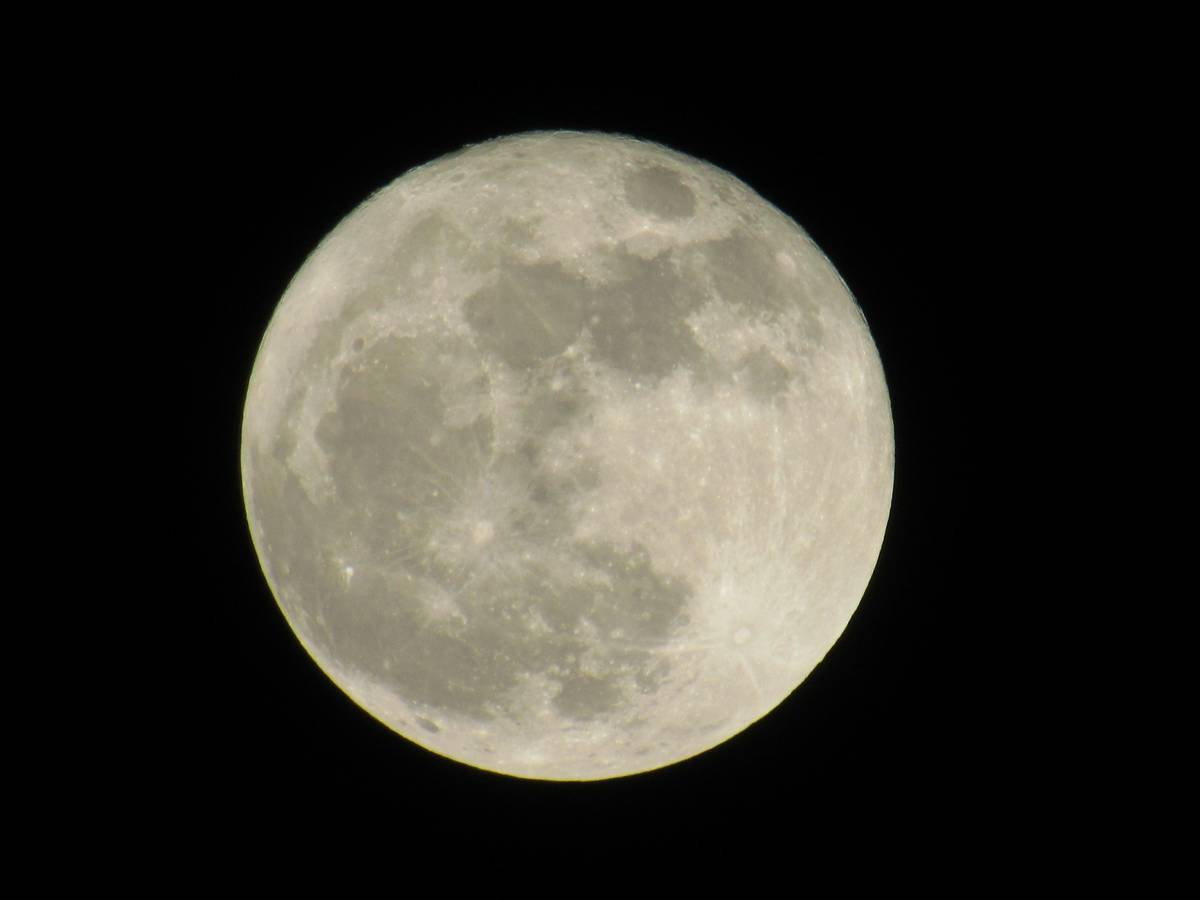
The supermoon will reach its peak on Tuesday, October 7 at 05:45 in the morning. If that’s too early for you, don’t worry: the supermoon will be visible in the sky for three whole nights. It’s best to watch the moon rise or set with an unobstructed view to the east.
A supermoon can appear up to 14% larger than an ordinary full moon. The difference is difficult to recognize without a direct comparison, but it is a worthwhile motif for photographers. What you may notice more is the increased brightness. A super full moon can shine up to 30% brighter.
Each full moon of the year has its own name, such as Snow Moon, Wolf Moon or Strawberry Moon. In October, it is known as the Harvest Moon, as it is the first full moon after the end of the summer harvest.