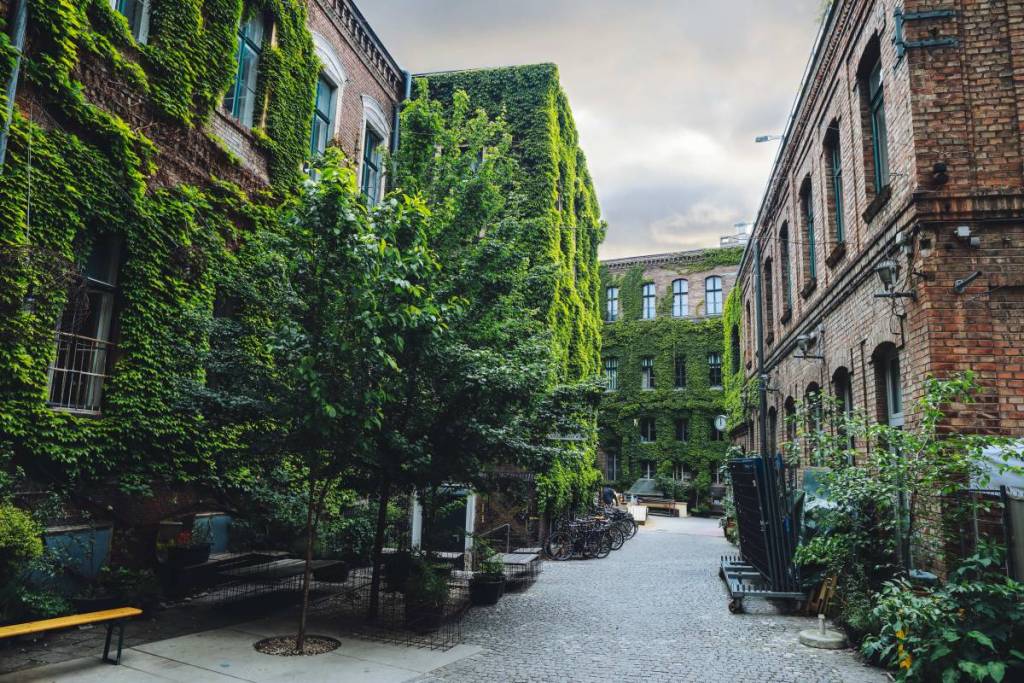

The WUK (Werkstätten- und Kulturhaus) in Vienna’s 9th district, Alsergrund, is a true institution and a fixture of Austria’s alternative cultural scene. For over four decades now, the city’s creative, social, and cultural life has been thriving on the approximately 12,000-square-meter, historic grounds of a former locomotive factory.
What is there to discover at the WUK?
Behind the striking, historic brick facades lies a fascinating labyrinth of virtually limitless possibilities. Culture lovers will find a top-notch, cross-disciplinary program here. The spectrum ranges from concerts by international indie bands and experimental live electronic acts in the legendary main hall to contemporary performance art, theater, and contemporary dance, as well as exciting art exhibitions in the venue’s own gallery.
Those who want to get creative themselves will discover a wide variety of open workshops. Whether it’s bike repair in the well-known Bike-Küche, woodworking, ceramics, or the photo lab —here, like-minded people passionately tinker, repair, and share knowledge. The WUK is also deeply committed to educational and social causes.
It is home to alternative school projects, counseling centers for young people, and pioneering initiatives for labor market integration. Last but not least, the idyllic, green courtyard invites visitors to relax and enjoy a good cup of coffee in the summer. The WUK is a true oasis of calm in the midst of the dense urban landscape.
From the occupation to the legendary cultural complex
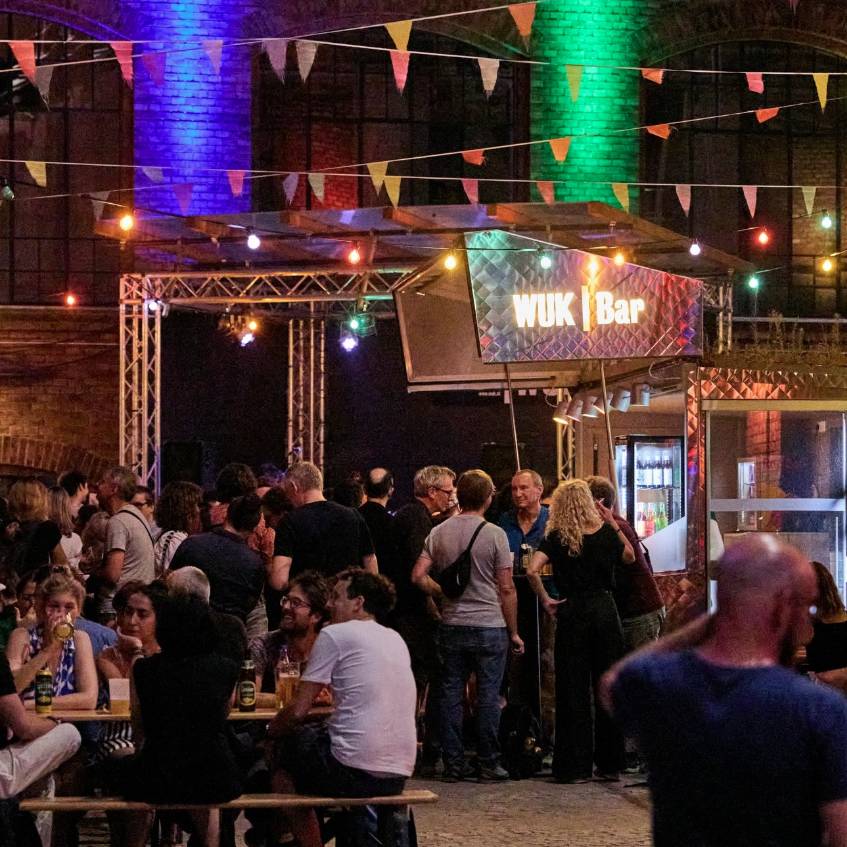
The WUK is far more than just an ordinary cultural and event center. It is a vibrant, internationally renowned monument to grassroots democracy and collective self-governance in action. Its origins date back to one of Vienna’s most successful squats in 1981, when dedicated activists occupied the factory grounds—which were threatened with demolition—and ultimately saved them.
To this day, the entire venue is organized on a grassroots, self-governing basis. Around 150 autonomous groups, artists, and initiatives actively shape both the packed program and the internal structures. This vibrant, lived diversity creates a unique, inclusive space for solidarity, social experimentation, and progressive change. Here, traditional craftsmanship, contemporary high culture, political activism, and neighborly camaraderie come together on a completely equal footing.
The WUK impressively demonstrates how historic industrial infrastructure can be transformed into an open, non-commercial space in the heart of a major city —and how it can successfully grow over decades. It thus remains anirreplaceable centerpiece of Vienna’s urban culture.