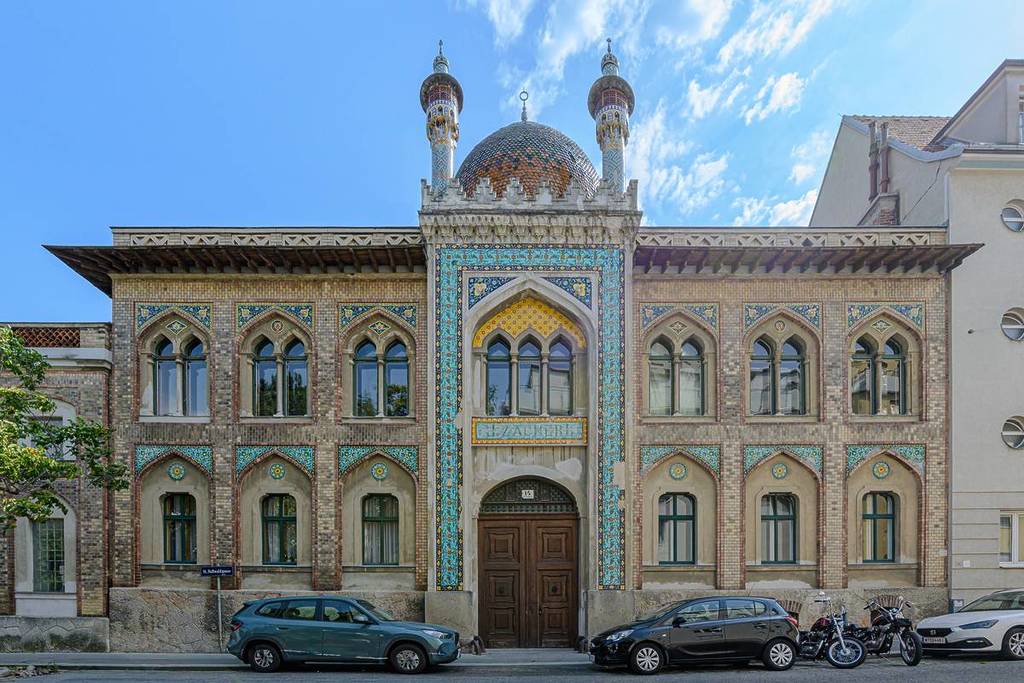

Anyone strolling through Vienna’s 19th district, Döbling, expects to see many things —elegant villas, wine taverns, and vineyards. Suddenly, however, you find yourself standing in front of a building that visually resembles a mosque: the Zacherl Factory. This architectural gem looks back on a fascinating history and combines industrial pioneering spirit with a fascination for the Orient.
The factory was built between 1888 and 1892 on behalf of the Viennese entrepreneur Johann Zacherl. The reason for its construction was purely practical: Zacherl needed a modern production facility for his globally successful insect powder called “Zacherlin.”
A palace for the insect powder
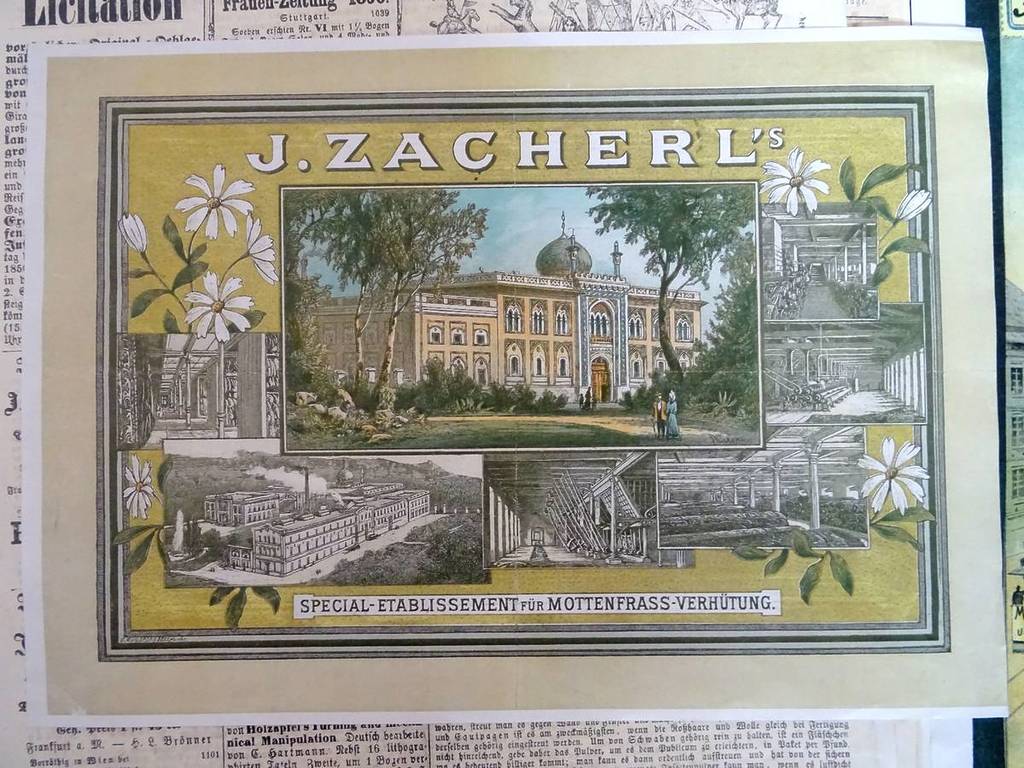
This highly effective pyrethrum powder was extracted from the dried flower heads of certain insect-pollinated flowers and revolutionized household pest control at the time. As demand rose rapidly, Zacherl had the monumental factory built to grind, package, and export the powder on a large scale.
The extraordinary architectural style was a deliberate and clever marketing strategy. Johann Zacherl had originally sourced the valuable flowers for his powder from Tbilisi and spent a great deal of time in Georgia. The architects Hugo von Wiedenfeld and Karl Mayreder designed the factory in a Moorish-Oriental style, complete with a large glazed tile dome and two chimneys that resemble minarets.
Since the Orient was in vogue at the time and considered exotic, the architecture perfectly reflected the origin of the raw material. At the same time, the striking “Insect Powder Palace” served as an unmissable advertisement in the Viennese cityscape.
The Zacherl Factory Today: A Space for Art
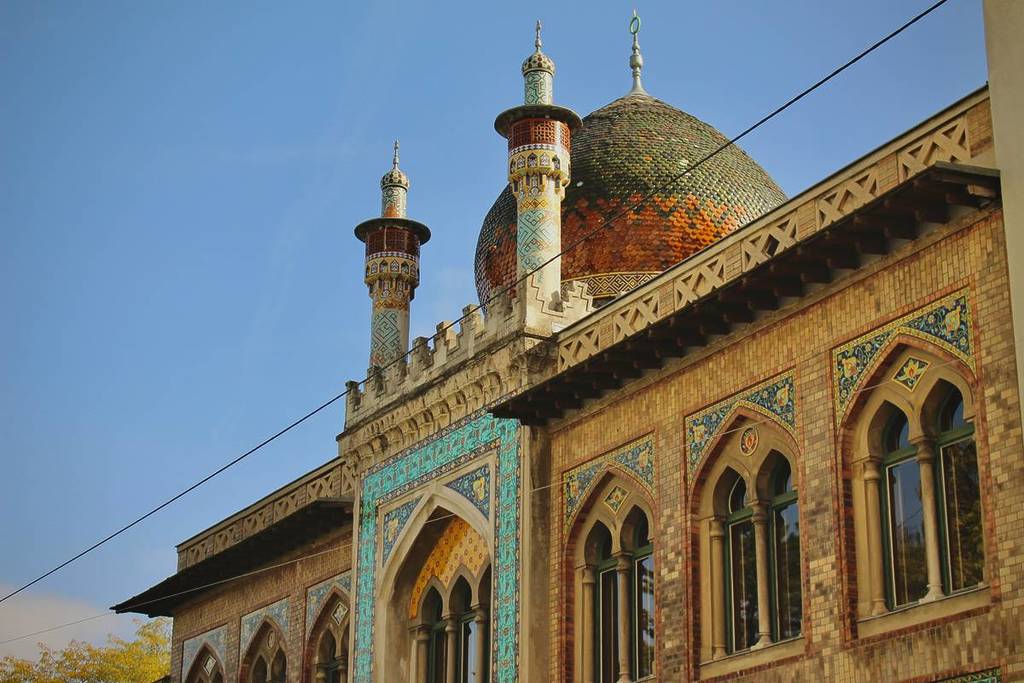
After production of Zacherlin was discontinued in the mid-20th century due to modern, chemical competitors, the building stood empty for a long time. It wasn’t until 2006 that the descendants of the Zacherl family breathed new life into the historic site.
Today, the former factory serves as a vibrant hub for contemporary art and culture. During the summer months, the historic factory halls and the idyllic garden provide a spectacular setting for art exhibitions, theater performances, concerts, and readings. Through this cultural use, the magic of the Oriental industrial building has been preserved for the public, and the building has been established as an integral part of Vienna’s cultural scene.