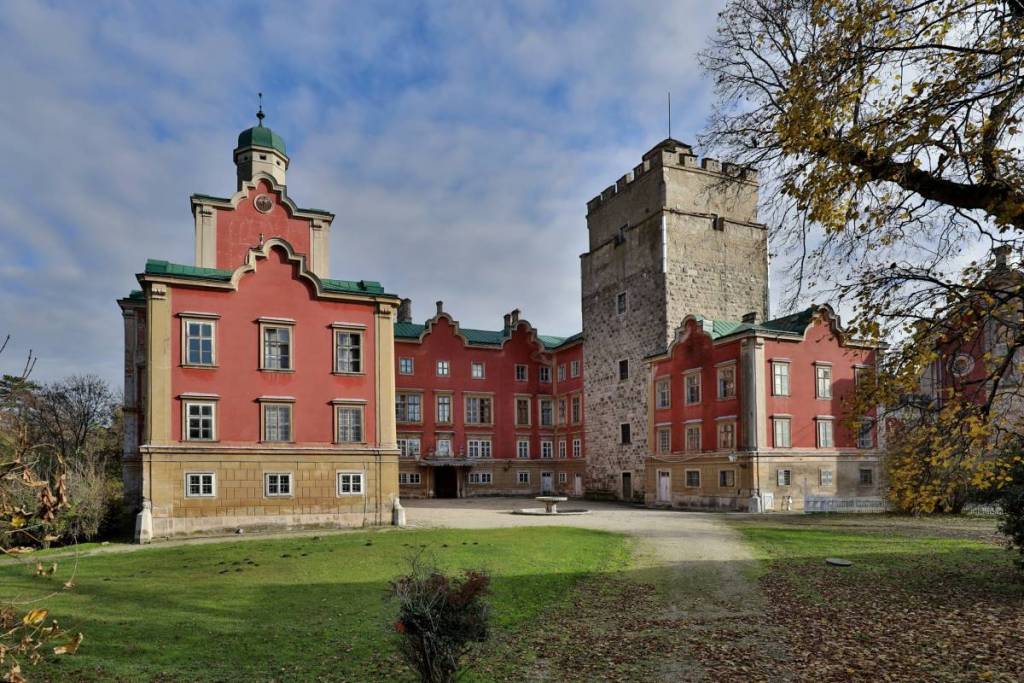

The beautiful and historic Prugg Castle in Bruck an der Leitha is an absolutely fascinating architectural gem in eastern Lower Austria. Its history spanning over 800 years and its close, centuries-old connection to the noble Harrach family make the sprawling estate one of the most significant cultural monuments in the entire region. In June 2026, the grand opening of the new castle museum took place. Prugg Castle is now permanently open to the general public.
From a medieval stronghold to a romantic Tudor residence
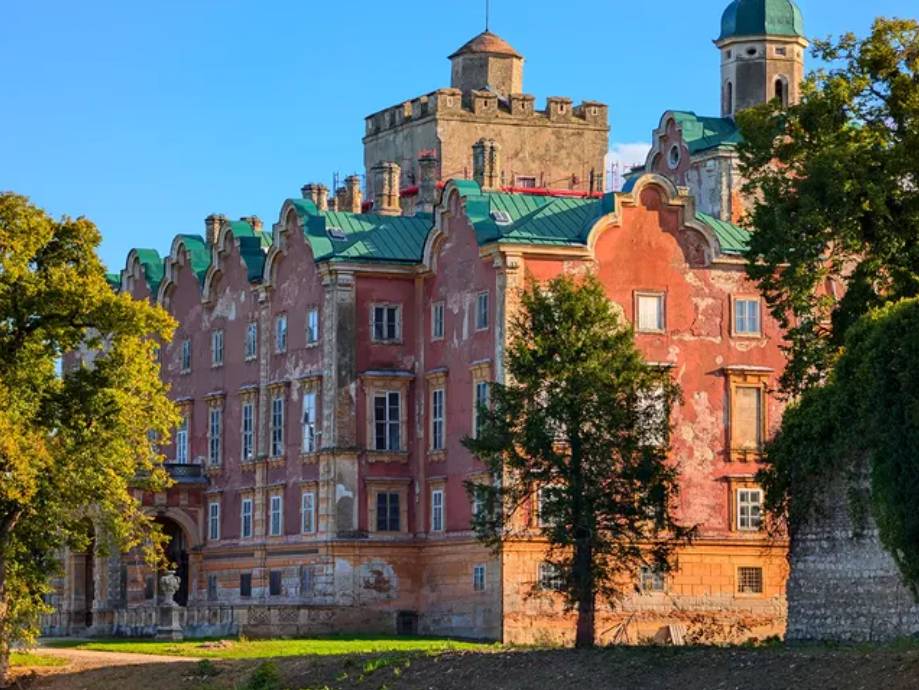
The deep roots of this historic complex stretch far back into the High Middle Ages. Around the year 1240 , construction began on a fortified moated castle, which served a strategically important role in protecting the eastern Austrian border directly on the Leitha River. In 1242, this fortress was finally mentioned in a document for the first time.
After changing hands several times during the Middle Ages—including ownership by the Babenbergs —the castle underwent profound architectural changes over the centuries. In the early 18th century, the world-famous Baroque master Johann Lucas von Hildebrandt elegantly redesigned the castle.
However, the building acquired its current, unmistakable appearance in the mid-19th century. Between 1854 and 1858 , the English architect Edward Buckton Lamb transformed the estate into a castle in the Neo-Gothic Tudor style, whose striking battlements and towers are still visible from afar today.
The Era and Legacy of the Counts of Harrach
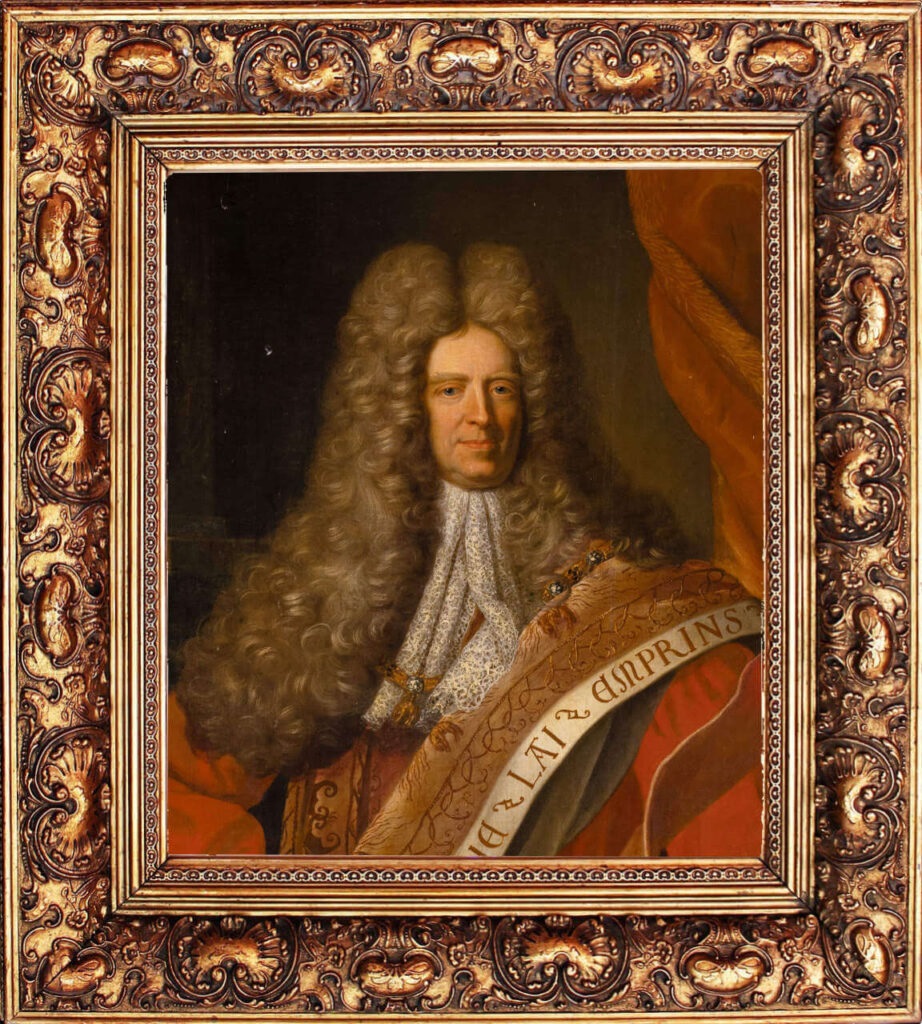
A decisive turning point in the castle’s long history occurred in 1560, when the Harrach family initially took over the estate as a pledge. In 1625, the castle finally became the full, free hereditary property of this influential noble family, in whose private ownership it remains to this day.
The Counts of Harrach, who producedprominent statesmen, diplomats, and church leaders, made Prugg Castle the glittering center of their lives. They not only shaped the magnificent interiors but also commissioned the creation of the sprawling Harrach Park. This English landscape garden, covering approximately 54 hectares, is today considered one of the most significant historic garden monuments in all of Austria.
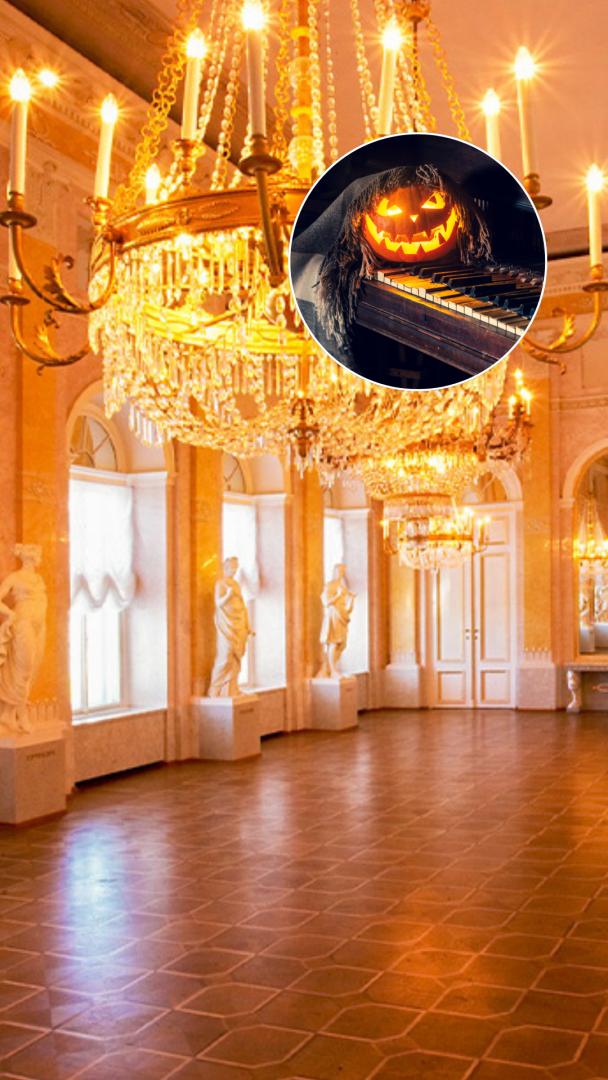
Today, the castle is turning a completely new chapter. With the opening of the large museum spaces in June 2026, visitors can experience the historic state rooms up close. In addition, the complex has since opened as a stylish event venue for concerts, combining historical tradition with modern vibrancy.