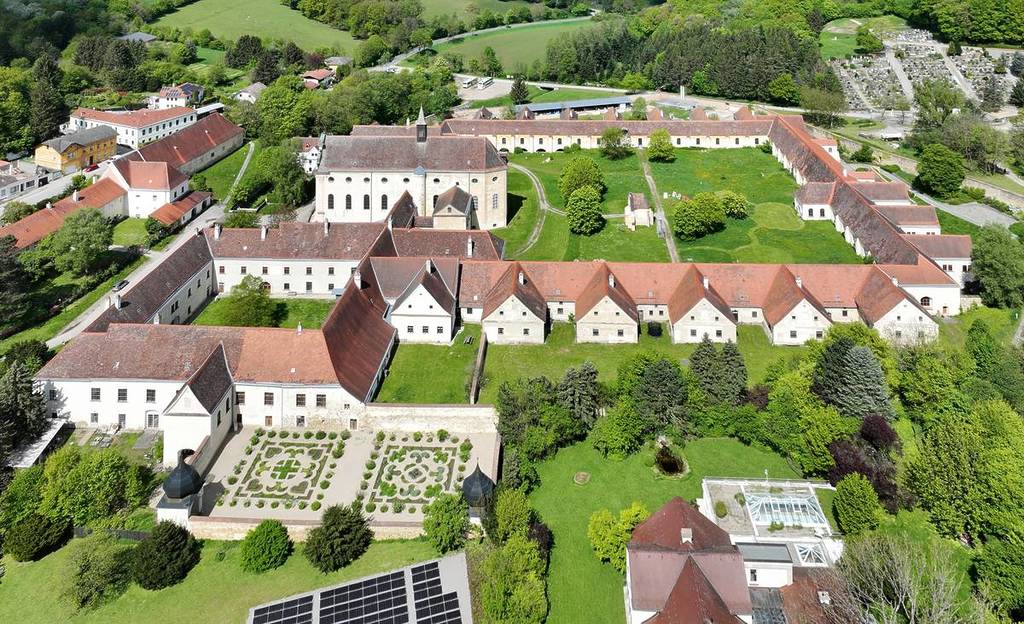

Nestled in the dense forests of the Vienna Woods, just a few kilometers west of Vienna, lies a true gem of the Austrian cultural landscape: the Kartause Mauerbach. This former Carthusian monastery complex looks back on an eventful history and is today considered one of the most significant Baroque architectural monuments in the region. Those looking to leave the hustle and bustle of the big city behind will find here a place of profound tranquility and architectural beauty.
From a silent monastery to an imperial hunting lodge
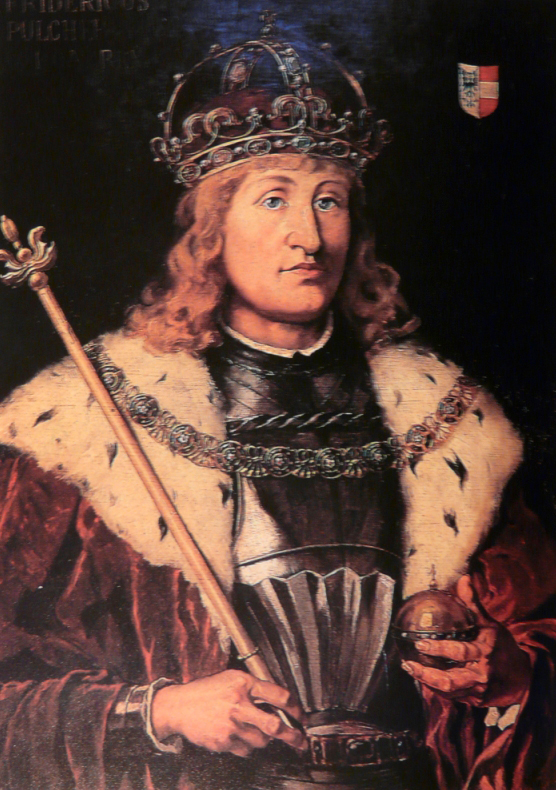
The history of the Carthusian monastery began in 1314, when Frederick the Fair founded the monastery. The monks of the Carthusian Order lived here according to strict rules characterized by solitude, fasting, and perpetual silence. Each monk lived in his own small cottage with a garden, arranged around the monumental cloister, which is about 500 meters long —it is still considered the longest of its kind in Central Europe today.
Over the centuries, the complex experienced both glorious and dark times. During the First Turkish Siege in 1529, the monastery was severely damaged and looted. The complex acquired its current magnificent Baroque appearance in the 17th and early 18th centuries, when it was extensively rebuilt.
The end of monastic life came in 1782. In the wake of Emperor Joseph II’s reforms, the monastery was dissolved. Afterward, the site served, among other things, as an imperial hunting lodge and a shelter for the homeless, and fell into disrepair in the 20th century. It was only a comprehensive restoration by the Federal Monuments Office beginning in the 1980s that saved the complex from ruin.
A worthwhile destination for visitors
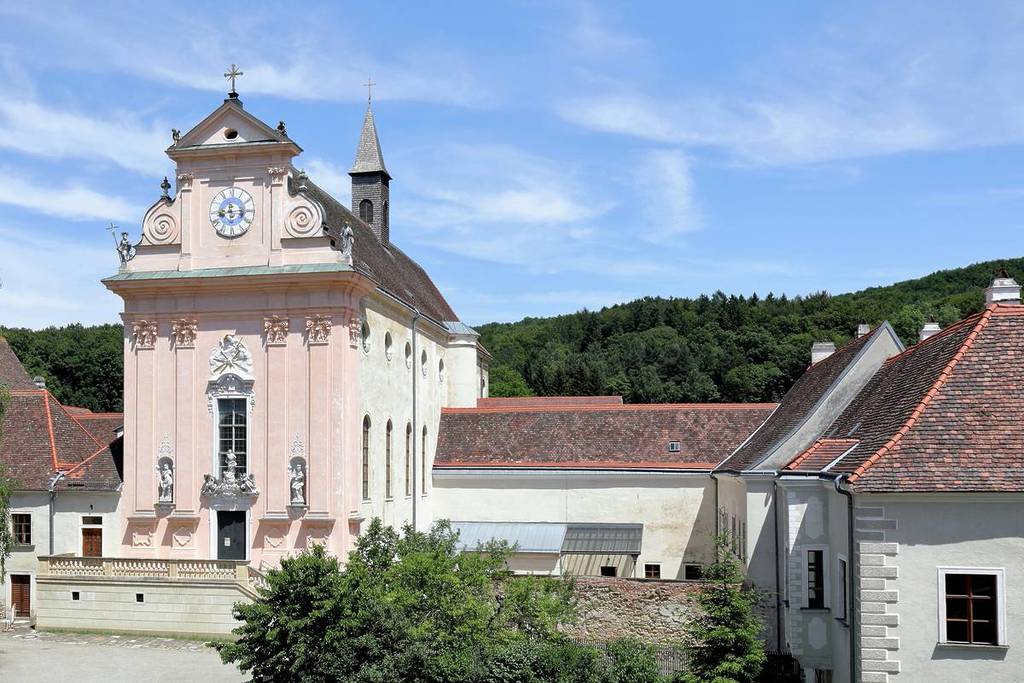
Today, the Mauerbach Charterhouse is once again open to the public and a fantastic destination for a day trip. It houses the Information and Training Center for Historic Preservation of the Federal Monuments Office. Visitors can tour the complex regularly from late May through late September on Saturdays, Sundays, and holidays between 10:00 a.m. and 6:00 p.m.
A tour takes visitors through the church, the impressive cloister, and the lovingly reconstructed Baroque imperial garden. In addition to the historic architecture, exciting special exhibitions on traditional crafts, archaeology, and ancient building techniques—such as historical paint production—attract visitors. A guided tour is also offered every Sunday at 3:00 p.m., offering a deep insight into the daily life of the silent monks.