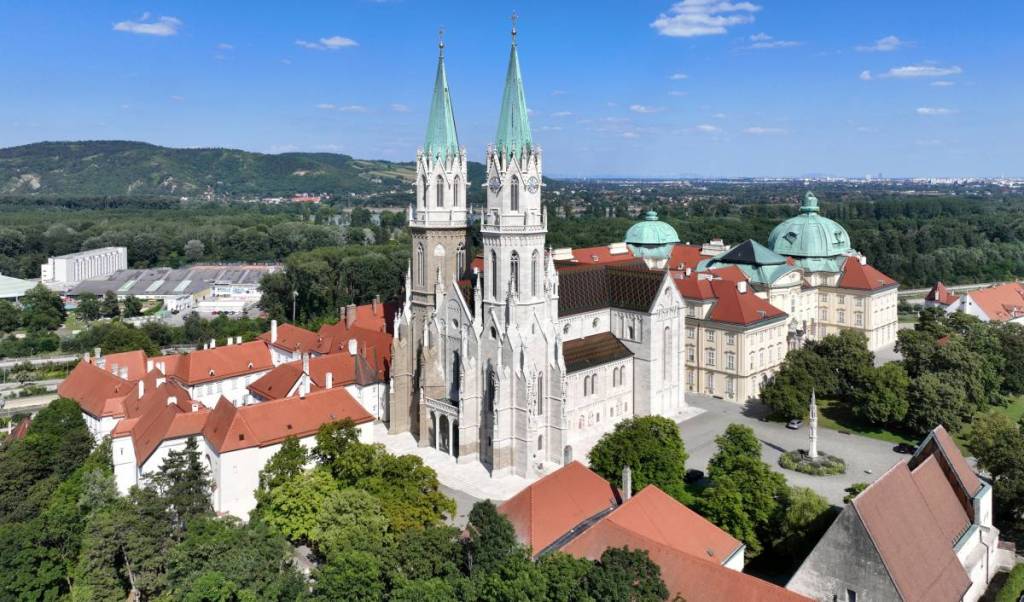

Klosterneuburg Abbey, located just outside Vienna, has combined imperial splendor, deep faith, and living tradition for over 900 years. Founded in 1114 by Margrave Leopold III, the monumental complex houses fascinating cultural treasures and a world-famous heritage.
A millennial masterpiece of enamel and gold
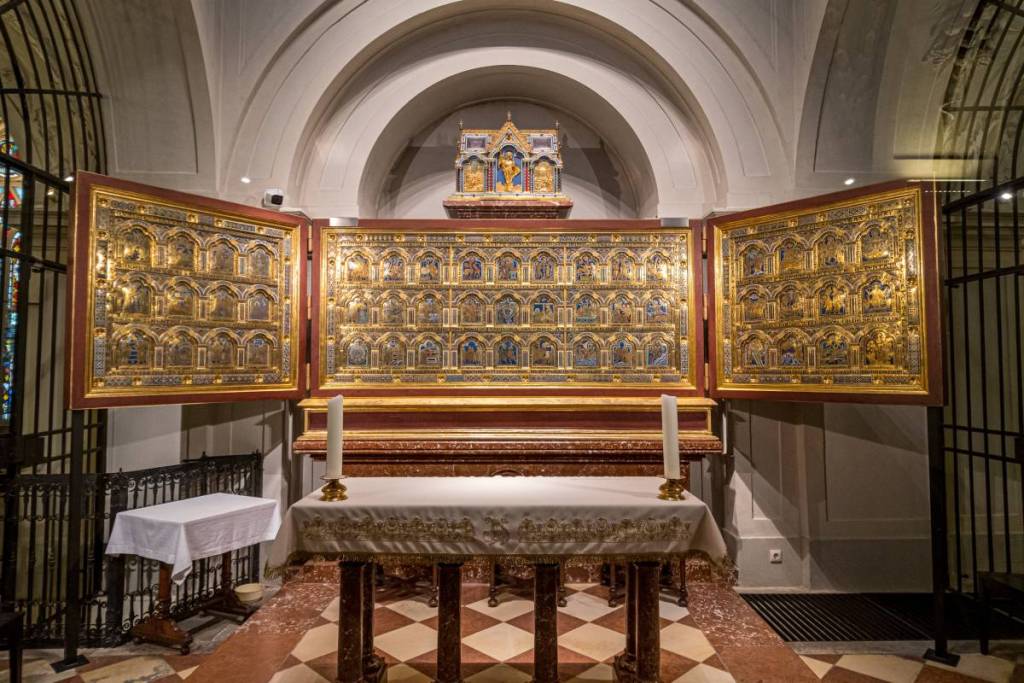
The undisputed crown jewel of the collection of sacred art is the Verdun Altar from 1181, created by Nicholas of Verdun. This masterpiece of medieval goldsmithing comprises 51 artfully designed cloisonné enamel panels depicting complex biblical scenes. Originally intended as a covering for a pulpit balustrade, the altar is now regarded as one of the most important milestones on the cusp of the Gothic period.
In addition to this sacred treasure, the abbey’s treasury houses the historic Austrian Archducal Crown— the Holy Crown of Austria, which remains a symbol of national identity to this day.
Innovation in the deepest cellar
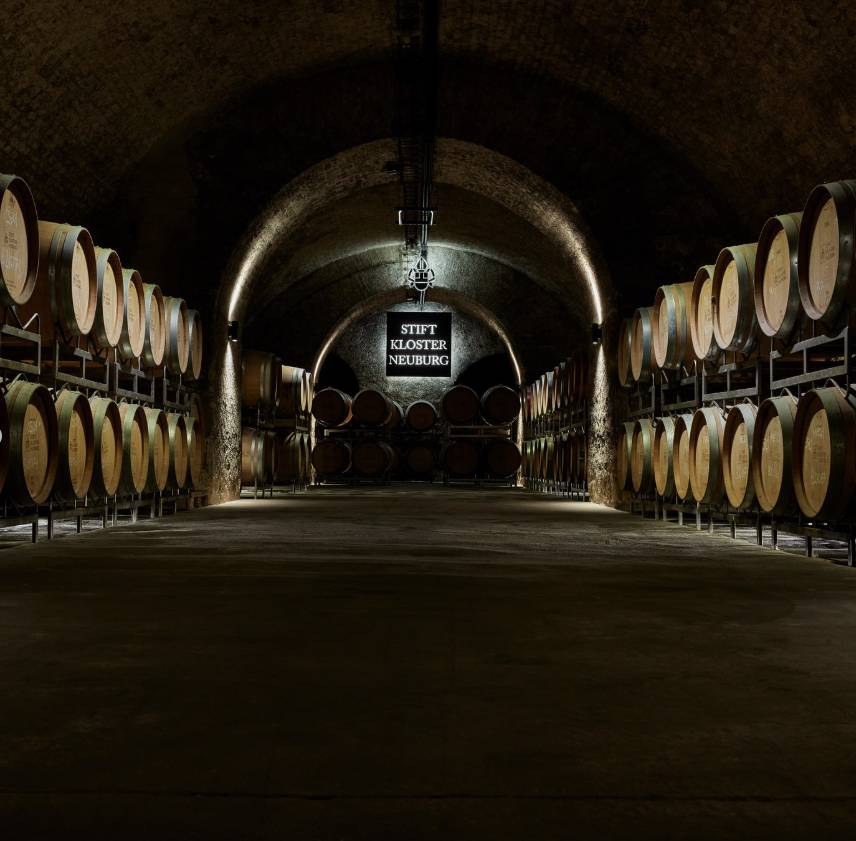
Just as deeply rooted as the art is the house’s wine culture. The Klosterneuburg Abbey operates Austria’s oldest surviving winery. Wine has been produced here continuously since its founding. Today’s vineyards span 108 hectares across renowned sites extending all the way to Vienna.
Visitors to the abbey should be sure to tour the historic wine cellar. The Baroque, four-story cellar complex extends an impressive 36 meters below ground. However, the abbey shines not only through tradition but also through progress. Since 2009, it has been recognized as the state’s first certified climate-neutral winery. In addition, excellent single-vineyard wines and fine sparkling wines produced using the traditional method are now aging in these cool, historic vaults, and they regularly receive international awards.
Legendary Origin
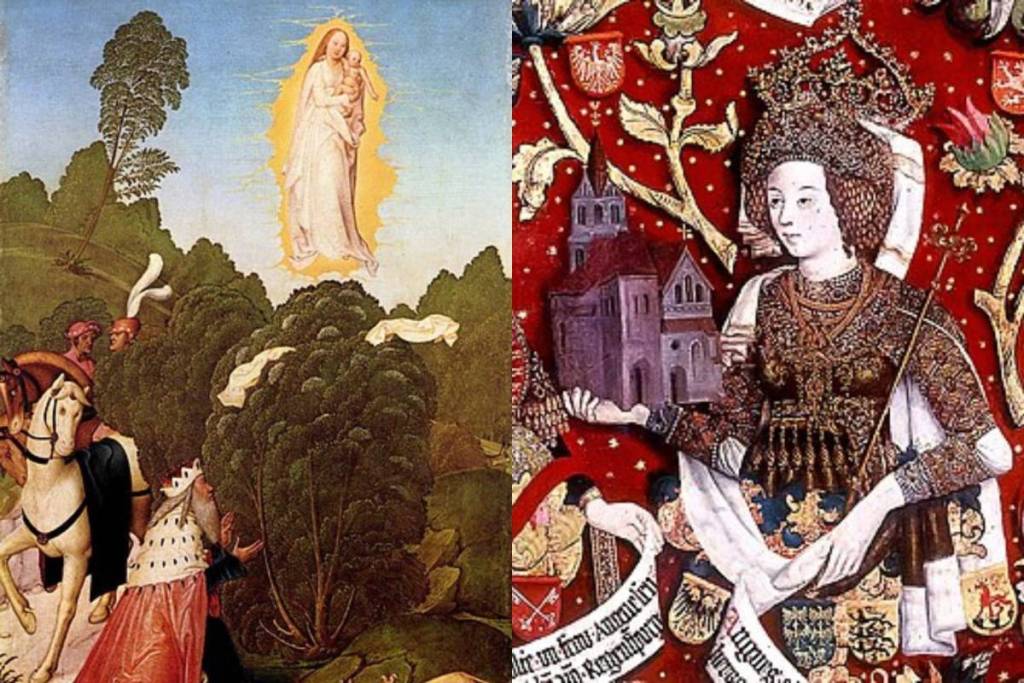
One final, fascinating fact concerns the founding of the monastery, which is shrouded in a charming legend. On her wedding day, Agnes of Germany, the wife of Leopold III, lost her precious bridal veil in a gust of wind. Nine years later, the Margrave found the veil intact on an elderberry bush in the forest. He saw this as a divine sign and had Klosterneuburg Abbey built on that very spot.