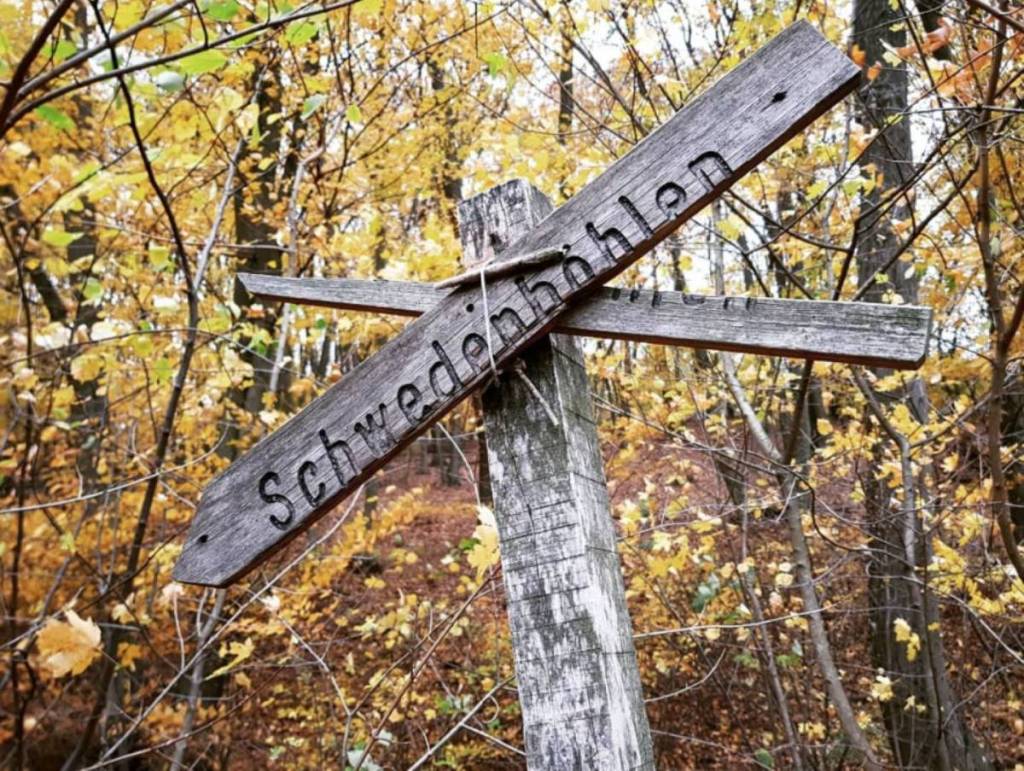

Hidden awayin the idyllic Weinviertel region of Lower Austria lies a fascinating piece of history: the Swedish Caves in the municipality of Harmannsdorf. West of Harmannsdorf-Rückersdorf lie these man-made cave complexes, also known locally as the “Schwedenlöcher.” These are so-called “Erdställe”— medieval underground passages and chambers dug deep into the soft loess soil.
The Swedish Caves – The Hideout During the Thirty Years’ War
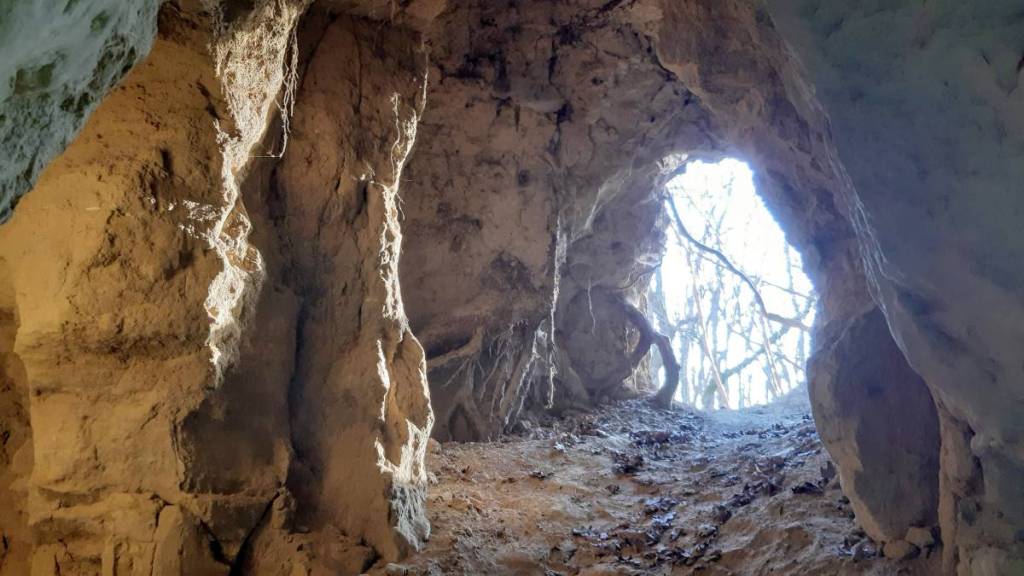
They owe their name to the Thirty Years’ War, when the local population fled from the approaching troops of Swedish General Torstenson in 1645 and sought refuge here. But the passages are far older. Centuries earlier, they had already served as secret hideouts for people fleeing invading Hussites, Ottomans, or Hungarians.
Anyone who enters the caves today steps into another world. Inside, visitors can discover impressive chambers, small seating niches, ornate grilles, and decorated columns. For adventurers and families alike, exploring these historic underground passages is an unforgettable experience.
Enjoying Nature and Day Trip Destinations in the Rohrwald
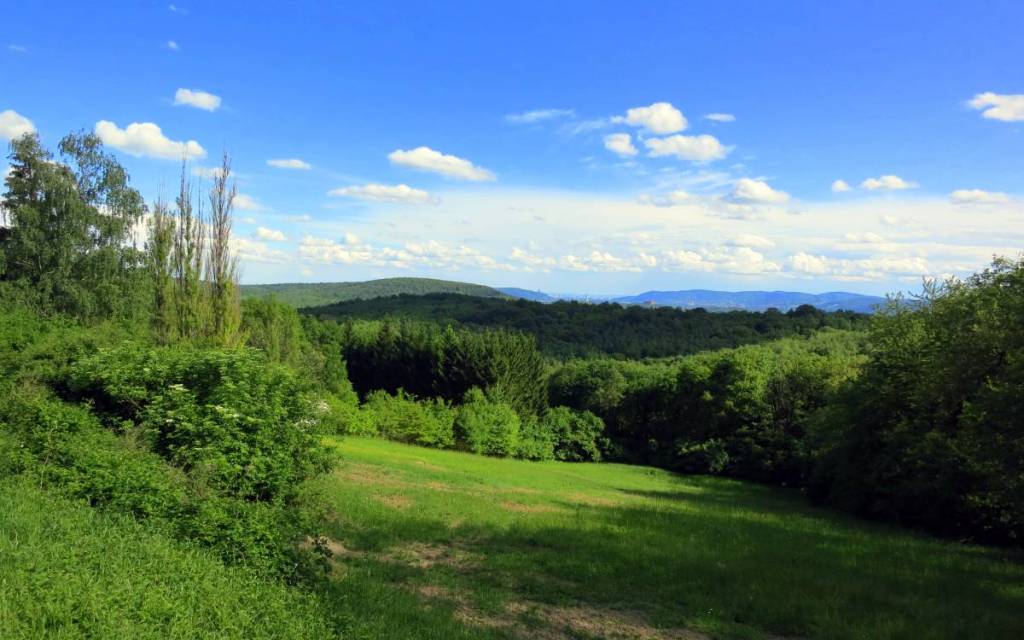
The Swedish Caves are nestled in the picturesque Rohrwald, a vast deciduous forest that invites visitors to explore at their leisure. The Rohrwald captivates visitors with its rolling hills, idyllic forest meadows —such as the well-known Steinmandelwiese—and a dense network of well-marked hiking trails. Here, you can enjoy nature to the fullestwhile hiking in the shade of old oaks and beeches and, with a little luck, even spot native wildlife.
In addition to the caves, there are other highlights to discoverin the Rohrwald. A perfect starting or ending point for a hike is the legendary, traditional inn “Goldenes Bründl , ” which is situated right next to an idyllic spring. The nearby Michelberg or the historic Kreuzenstein Castle are also wonderful options for a combined day trip. The Rohrwald near Harmannsdorf thus uniquely combines relaxing nature experiences with the mysterious traces of a bygone era.