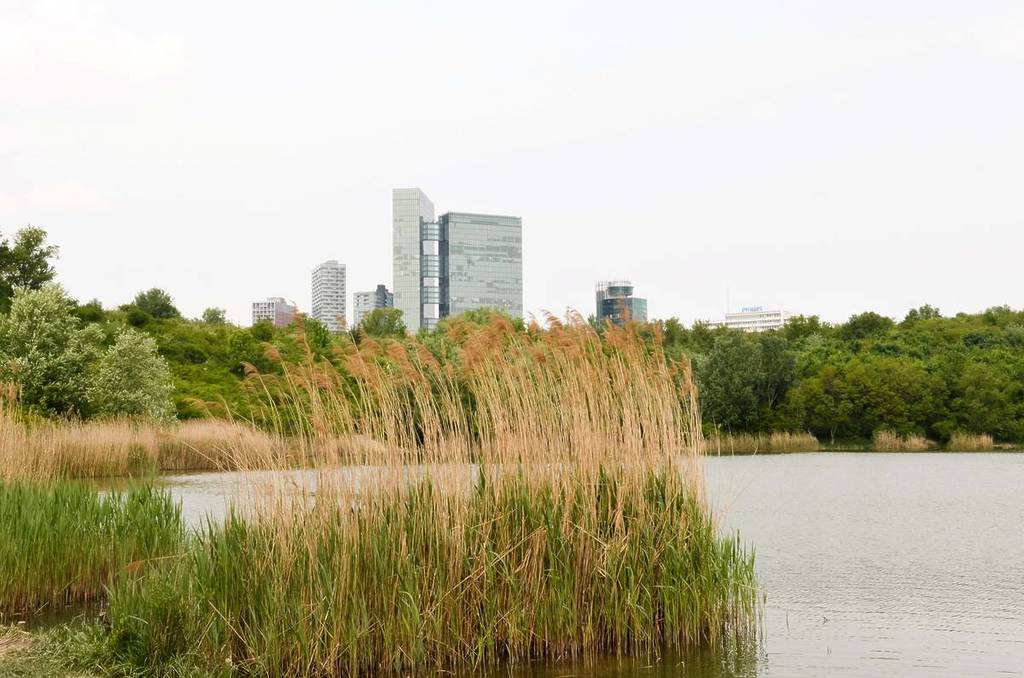

Anyone traveling through Vienna’s 10th district would hardly expect to find untouched wilderness amid high-rises and major thoroughfares. Yet right there, on the Wienerberg, lies one of the city’s most fascinating landscapes. Today, the Wienerbergteich is the centerpiece of a roughly 120-hectare recreational area that has undergone an impressive transformation from an industrial to a natural landscape.
From Brick Pit to Biotope
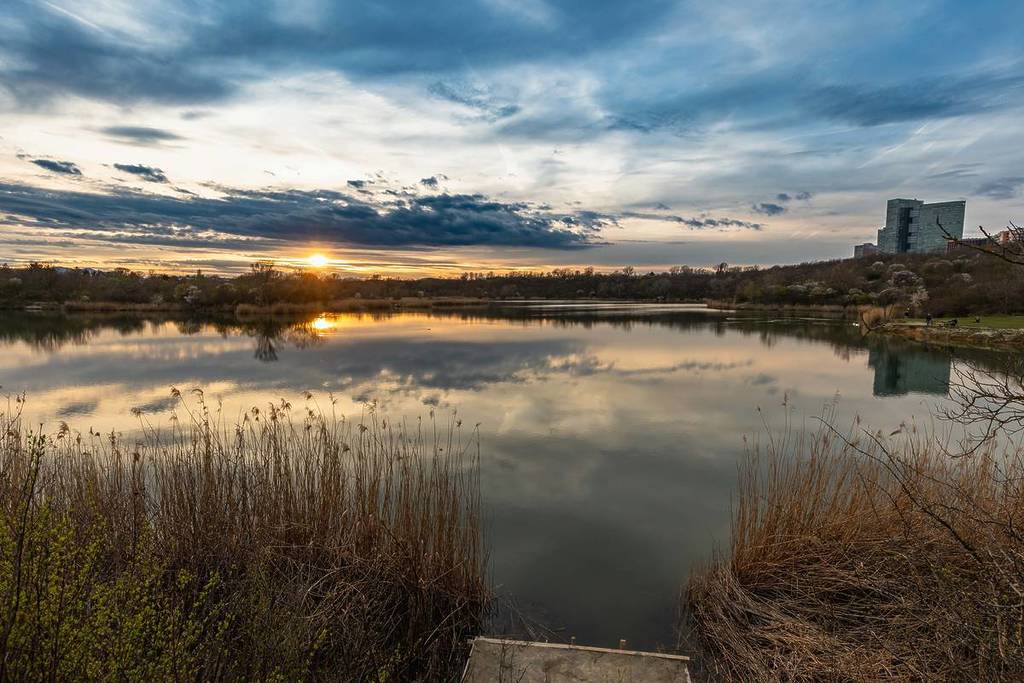
The history of the pond is deeply rootedin Vienna’s urban history, as it is an artificial body of water. Where reeds now sway in the wind, clay had been mined for brick production since Roman times. After the brick factories were shut down in the 1960s, the pits filled with water. In the 1980s, the City of Vienna made a forward-thinking decision. Instead of developing the area, it was ecologically redesigned. Today, the water area covers about 16 hectares and is embedded in an extensive network of paths spanning approximately 14 kilometers.
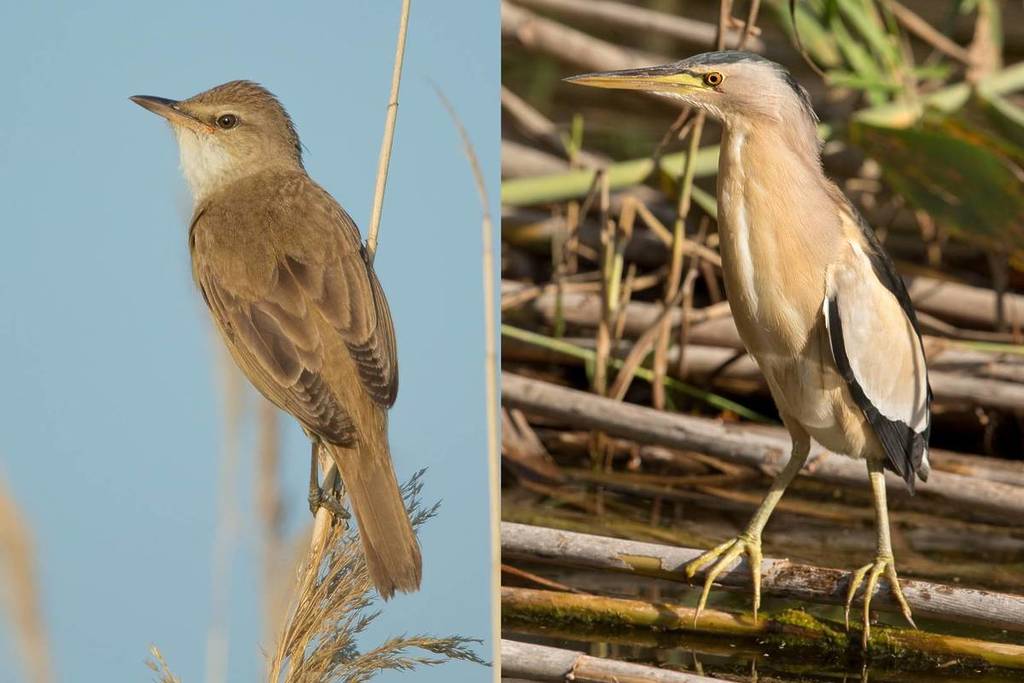
As a designated landscape conservation area, the Wienerbergteich is an irreplaceablebiotope for flora and fauna. It is home to the largest reed bed in southern Vienna, which serves as a protected breeding ground for rare bird species such as the little bittern and the marsh warbler. Amphibians, dragonflies, and numerous fish species also find refuge in these natural waters. The combination of dry grasslands, dense thickets, and old-growth trees makes the area an ecological stepping stone in the heart of the urban landscape.
Recreation and mindful swimming in the Wienerbergteich
For the Viennese population, the area offers great recreational value. While runners and cyclists use the paths, swimmers seek refreshment in the summer. Important to know: The Wienerbergteich is not an official natural swimming area with infrastructure. Swimming is tolerated in the small, natural coves, but is not permitted everywhere. To protect the sensitive ecosystem and the reed beds, treating nature with respect is the top priority here.
In summary, it can be said that the Wienerbergteich is a prime example of the reclamation of industrial land for nature. It offers a wild, natural atmosphere rarely found in the middle of a major city —a place where the history of Vienna’s brickworkers lives on in a green idyll.