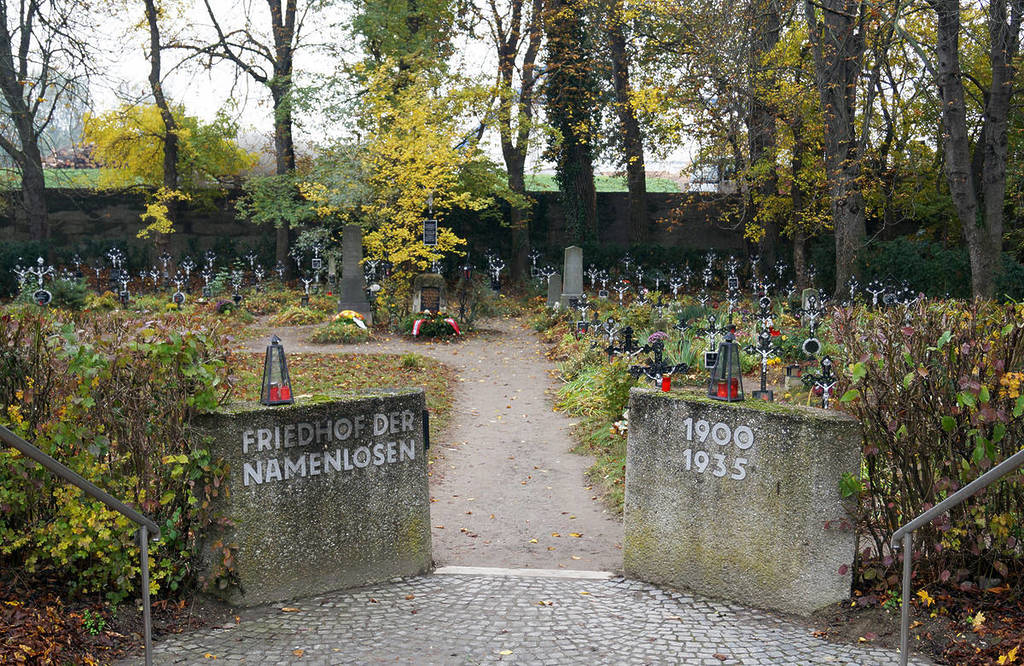

On the very outskirts of Vienna, in the Albern district directly behind the banks of the Danube, lies one of the most melancholic and at the same time fascinating places in the Austrian capital: the Cemetery of the Nameless. Hidden behind massive port silos and dense trees, this resting place exudes a unique, almost mystical atmosphere. It is no ordinary cemetery, where ostentatious tombs display the wealth of former citizens. Here lie those whom life pushed to the margins and whom the Danube eventually washed ashore.
A refuge for the forgotten
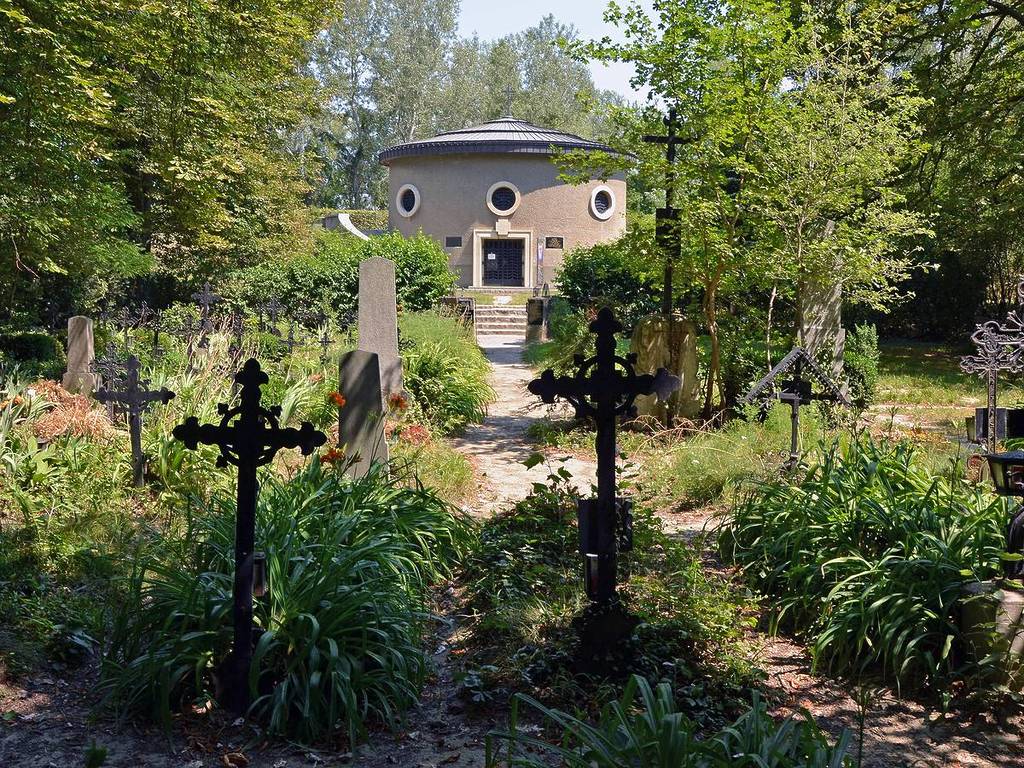
The history of the cemetery dates back to the 19th century. Due to a unique bend in the Danube’s current, bodies were repeatedly washed ashore at this exact stretch of the river between 1840 and 1940. Most were victims of drowning accidents, suicide, or crime. Since many of the dead could not be identified, the church at the time refused to grant them burial in regular, consecrated cemeteries.
In 1840, the first cemetery was therefore established at this site, but it was regularly flooded. The current, second cemetery was laid out in 1900 on the sheltered inner side of the flood embankment. A total of 478 people found their final resting place here, 331 of whom remain anonymous to this day.
Simple crosses and living memory
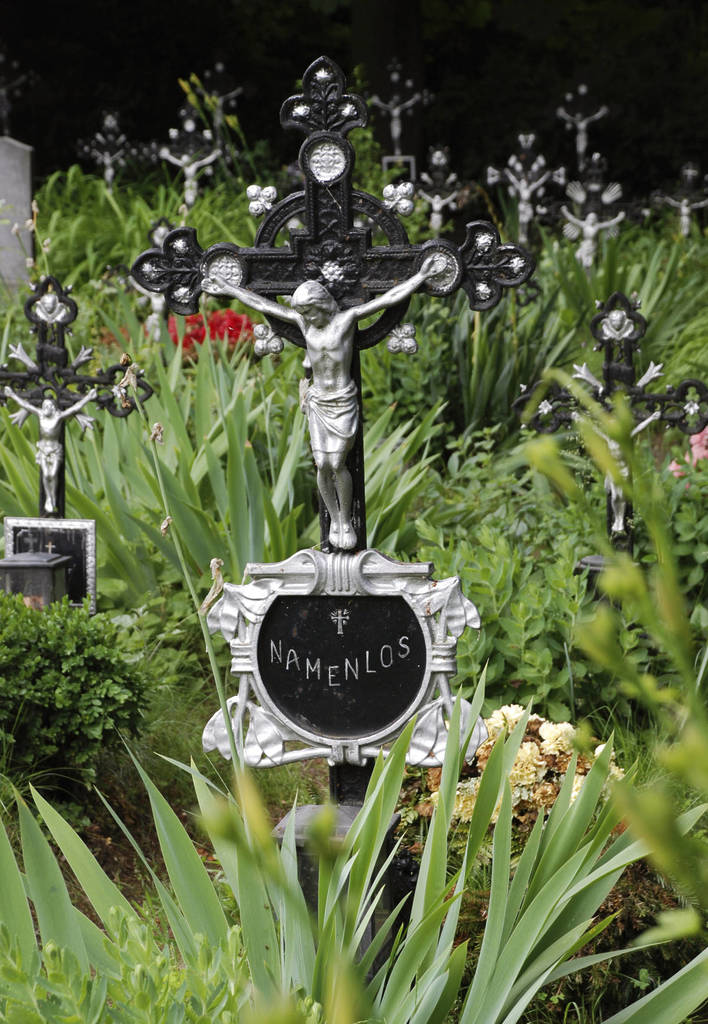
Anyone entering the Cemetery of the Nameless today looks out over a sea of simple, uniform grave crosses made of black cast iron, adorned with silver figures of Christ. Instead of names, most of the plaques bear only the simple, poignant inscription “Unknown,” followed by the date of discovery.
The fact that this place has not fallen into disrepair despite the sad fates of those buried here is largely thanks to the volunteer gravedigger Josef Fuchs and his family, who have lovingly tended the grounds for generations. To this day, a very special tradition is also upheld every year on the afternoon of All Saints’ Day: fishermen launch a raft they have built, decorated with candles and flowers. It bears the inscription “To the victims of the Danube” and drifts downstream. A touching tribute to all those who lost their names and their lives in the water.